Review · MADEIRA
Bat Watching Madeira
Bats aren’t scary when you can hear them. This Madeira night tour turns you into a mini bat scientist, using ultrasound detectors and thermal tools to track the island’s elusive natives. I like that it’s focused on real behavior—hunting, defending food patches, and social activity—so it’s not just a wildlife lecture. I also like the small group size (just 8 people max), which keeps questions moving. One thing to consider: the experience depends a lot on weather and visibility, and wind or humidity can make bat spotting harder even if you still hear them.
The guide who runs it matters, and Sergio’s background in bat research and conservation comes through in the way the night is explained. You get species context and the tools to understand what you’re seeing and hearing, so the night feels practical, not vague. The only real drawback I’d plan for is that sightings can be limited on rough nights, so you’ll want to pack smart and expect you might mostly track with sound and equipment.
In This Review
- Key things that make this bat watch worth your time
- Why Madeira’s bats are a night tour not a daytime stop
- Price and what you’re really paying for ($47 for 3 hours)
- Meeting in Funchal and what your first minutes should feel like
- Stop-by-stop: how the night typically unfolds
- 1) First listening position: learning the bat signals
- 2) Second watch: tracking hunting and movement
- 3) Third stop: food patches, spacing, and social behavior
- 4) Final minutes: wrap-up with species context and a hot drink
- The equipment angle: ultrasound detectors and thermal tools (and why weather matters)
- What you’ll learn about Madeira’s bats (beyond the basics)
- Best moments, best for families, and how to manage expectations
- What to bring (so the night feels enjoyable, not miserable)
- Who should book this bat watching tour
- Should you book Bat Watching Madeira?
- FAQ
- How long is the bat watching tour in Madeira?
- What is included in the tour price?
- Are transfers included outside the Funchal area?
- What languages are the guides?
- What group size is it?
- What should I bring to the tour?
- Is alcohol allowed during the tour?
Key things that make this bat watch worth your time
- Ultrasound listening plus thermal-style viewing so you’re not guessing what you’re seeing
- Built for real bat behavior, from hunting to defending patches and social calls
- Small group (max 8) so your questions actually get answered
- Sergio, a true specialist, brings conservation into plain, useful language
- Observation materials included, which saves you from renting gear
Still deciding? Set this one beside a few island favourites first.
- From Funchal: Ecological Catamaran Dolphin Whale Watching★ 4.5 · 8,204 reviews
- Madeira: Skywalk, Porto Moniz, Seixal, and Fanal 4WD Tour★ 4.9 · 7,905 reviews
- Funchal: Dolphin and Whale Watching Catamaran Cruise★ 4.5 · 5,697 reviews
- Funchal: Enchanted Terraces, Porto do Moniz & Fanal 4WD Tour★ 4.8 · 4,930 reviews
Why Madeira’s bats are a night tour not a daytime stop
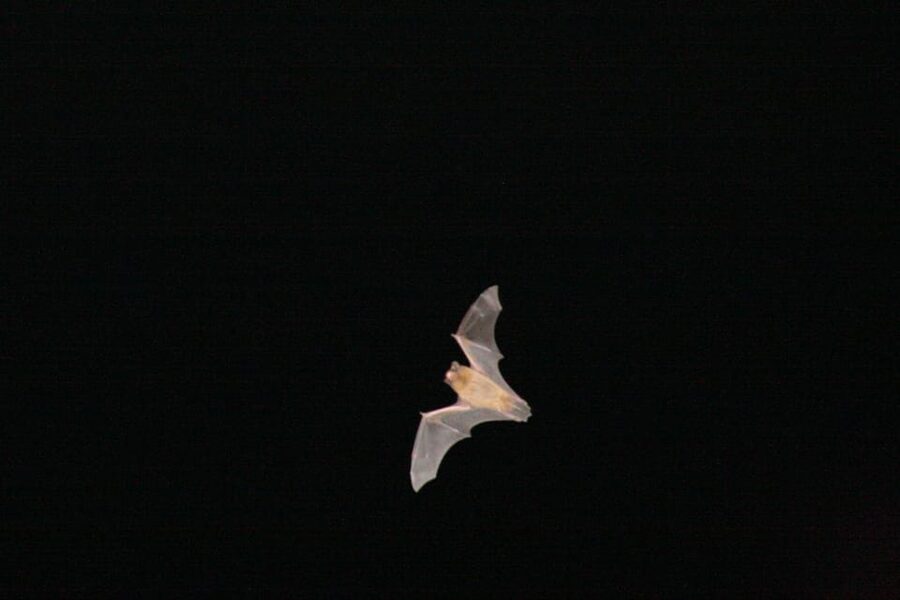
Madeira has a short list of land mammals, and bats are the headline act. That’s exactly why a dedicated night tour makes sense. Daytime wildlife walks are fun, but bats are mostly working after dark, and their world is mapped through sound and flight patterns, not human eyesight.
This tour is designed around that reality. You spend about 3 hours learning how to detect bats using equipment that picks up ultrasound calls, and then you connect those signals to what bats are doing in the moment. That focus is what makes the experience feel like “hands-on nature,” not just “look at the dark and hope.”
For value, consider what’s included: you get a naturalist guide, observation materials, images and species info, and even a hot beverage. You’re also paying for expertise. One guide isn’t just reading facts; he’s translating bat behavior into something you can watch for yourself.
Price and what you’re really paying for ($47 for 3 hours)
At $47 per person for a ~3-hour outing, this is not the cheapest “walk in the evening” option. But it also isn’t a generic sightseeing add-on.
You’re paying for:
- A specialist-led night program (naturalist guide, bat-focused teaching)
- Equipment that many people don’t own (ultrasound bat detectors and thermal tools)
- A small group setup (limited to 8 people)
- Included materials (species images and info)
- Hot beverage and transport within Funchal area
If you’ve ever tried to DIY wildlife watching, you know the cost isn’t only money. It’s time, the right gear, and knowing where to focus. This tour compresses all that into one guided night. That’s why the price feels fair rather than inflated.
Meeting in Funchal and what your first minutes should feel like
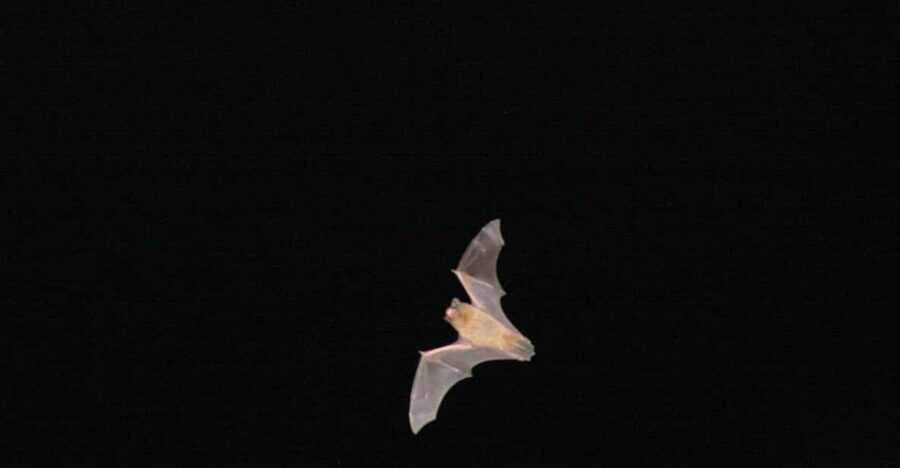
Most people on Madeira base themselves in Funchal, and this tour is set up to match that. Transfers are included if you’re within the Funchal area, so you’re not wasting your night figuring out logistics.
Once you’re with the group, expect a quick orientation before the equipment comes out. The key is learning how to interpret what you’ll hear. Ultrasound detectors aren’t magical; they’re only useful if you know what to listen for and how to react when calls shift.
The other smart part of the setup is the pacing. With a small group, the guide can slow down when people have questions, which is exactly what you want when you’re new to bat watching. In the same way a museum audio guide helps you look at the right details, your guide helps you “see” with your ears.
Stop-by-stop: how the night typically unfolds
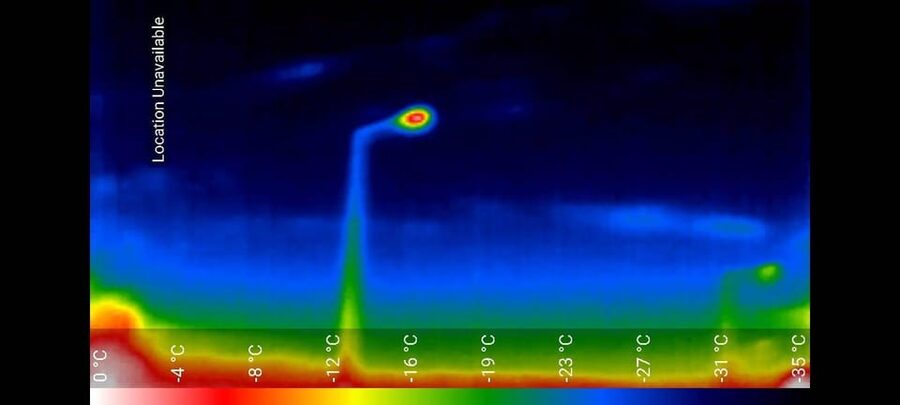
The tour runs for about 3 hours, and you’ll likely visit multiple locations over the course of the evening. The goal is to catch bats in different contexts, since bats change their behavior depending on where they are hunting, patrolling, or socializing.
Here’s how the night usually “plays” in a well-run bat watch like this one.




1) First listening position: learning the bat signals
You start in a spot where it’s possible to detect ultrasound activity. This is where you build the baseline: you learn that bats announce themselves through calls before you ever feel confident about identifying anything.
What you’re watching for:
- When calls start and stop
- Whether activity seems close or farther away
- How call patterns can change as bats move between areas
Even when you don’t get a clear visual, this is still a win. On some nights, sound detection gives you the biggest payoff because bats often fly fast and low.
2) Second watch: tracking hunting and movement
At the next stop, the focus shifts. Bats don’t just fly in a straight line all night; they work the air like living searchlights. The guide helps you connect what you hear to the idea of hunting and foraging routes.
This is one of the best parts of the experience because it makes the night feel interactive. You’re not just observing the dark; you’re mapping activity from signal changes and your best guess about where bats might be flying.
A practical tip: stay patient. If the guide tells you to hold still, it’s not for drama. Movement and constant light can ruin your ability to notice changes in both behavior and signals.
3) Third stop: food patches, spacing, and social behavior
One of the tour’s big promises is that you’ll have a chance to hear bats defending food patches and doing social stuff. That’s not a buzzword. Bats can return to good hunting areas and communicate with each other as they coordinate movements.
In a small group setting, this is where questions tend to land hardest. People ask things like:
- How do you know if the sound is one bat or multiple?
- What does it mean when calls cluster?
Your guide’s bat specialist background helps you understand the difference between random background noise and meaningful bat activity patterns.
4) Final minutes: wrap-up with species context and a hot drink
Near the end, you shift from “field mode” into “what it all means.” You’ll get species images and information about what you were hearing and where those bats fit in the ecosystem.
And yes, you get a hot beverage. That’s not just comfort—it’s also a good reset after a late night. You’ll also get a chance to ask follow-up questions without the pressure of constant movement and scanning.
The equipment angle: ultrasound detectors and thermal tools (and why weather matters)
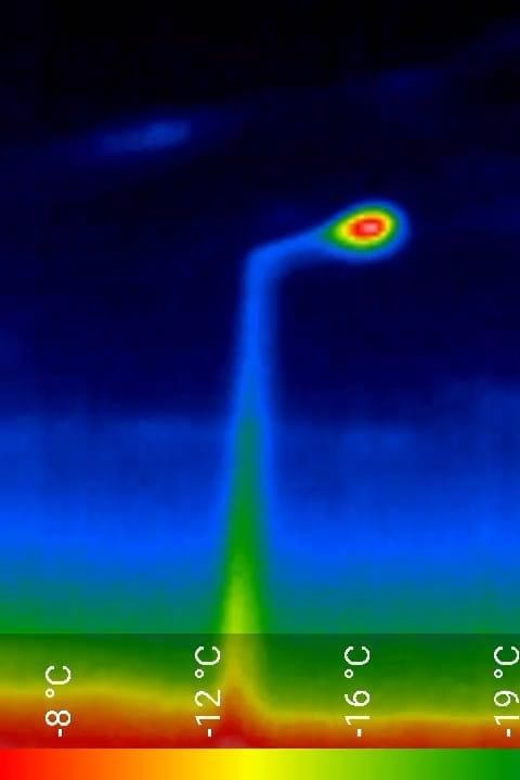
The tour concept uses ultrasound bat detectors and thermal-style tools. In real life, your results are influenced by conditions. A windy, humid night can still be productive for detection, but it can reduce your chances of seeing bats clearly.
If you’re hoping for a visual moment, here’s how to think about it realistically:
- Ultrasound helps you confirm activity even when bats are hard to spot.
- Thermal-style viewing is useful when the camera setup can capture enough contrast.
- If visibility is tough, you may lean more on sound and learned behavior cues.
That’s why the “bat scientist” framing matters. You’re training your attention. Even on a night with limited visuals, you can still come away with the key lesson: bats are out there, working the night, and you can track them with the right tools and guidance.
What you’ll learn about Madeira’s bats (beyond the basics)
This tour isn’t only about spotting. It’s about understanding what you’re hearing.
From the species-focused approach, you should come away with ideas like:
- How bats hunt using sound and flight behavior
- Why bats defend productive areas
- What bat social activity can sound like at different moments
- Why these native bats matter to conservation
The conservation piece is important because bats are often misunderstood. When you learn how they operate in the ecosystem—especially when a specialist explains the links—you start to see why protecting habitat and supporting local conservation programs matters.
Best moments, best for families, and how to manage expectations
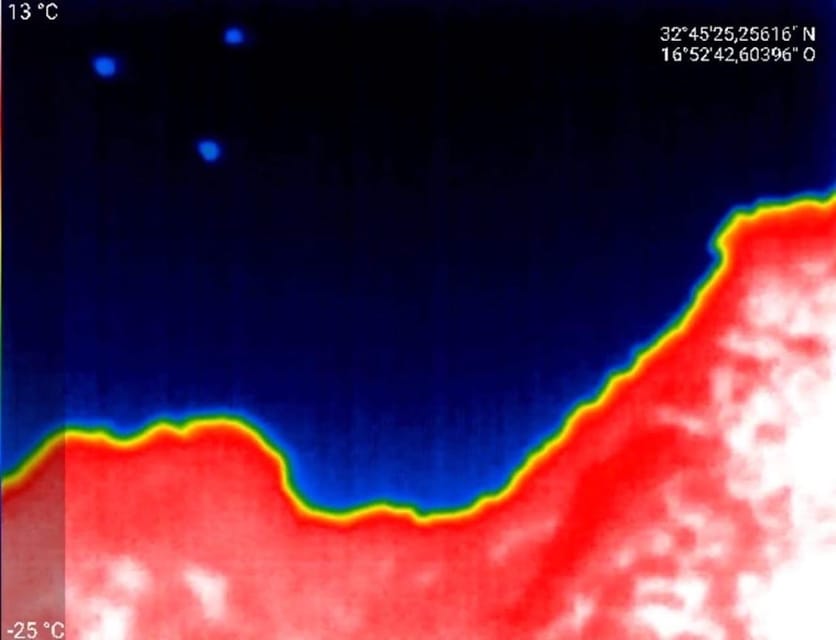
One of the strongest endorsements is that the experience works for kids too. A family outing described it as cool and educational, with both a bat specialist guide and enough structure to keep children engaged. That tells me this tour is built to translate complex animal behavior into clear, watchable ideas.
It’s also the kind of activity where you can have a great night even if you don’t get constant visual sightings. If you do hear bats repeatedly through the detectors and get clear explanations of what you’re hearing, you’re still getting the real point.
Set expectations like this:
- You’re likely to get sound detection and guided interpretation.
- Visual sightings can happen, but they’re not guaranteed on every night.
- Warm clothing and comfort matter because you’ll be standing and scanning in the dark.
What to bring (so the night feels enjoyable, not miserable)
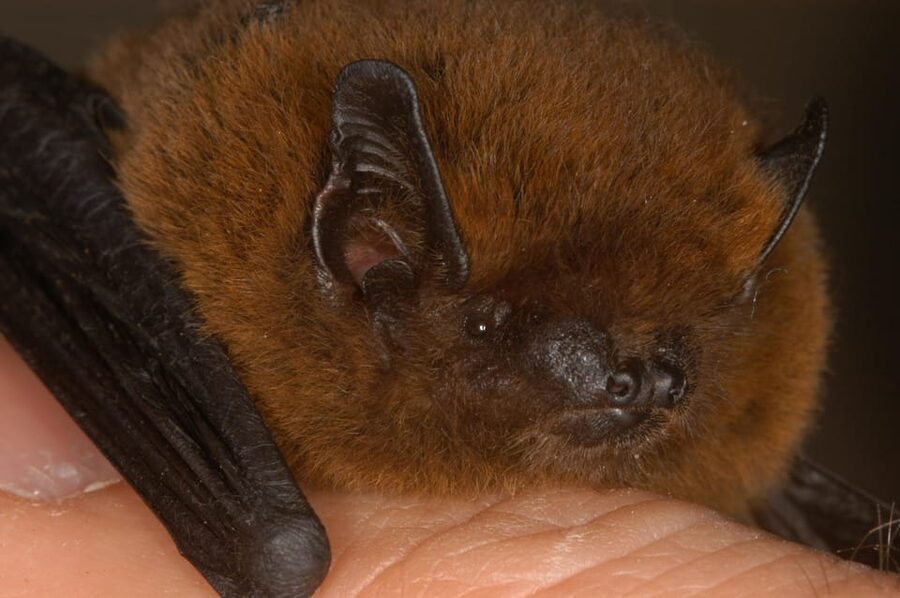
You’ll be out at night and doing a bit of standing. Pack for the conditions, not for comfort in daytime.
Bring:
- Comfortable shoes
- Warm clothing
- Comfortable clothes for moving and scanning
The clothing part is not optional. Cold plus wind plus humidity is what turns a fascinating night into a frustrating one. The people who enjoy this tour tend to dress as if they’re staying outside for a while, because you are.
Not allowed:
- Alcohol and drugs
Who should book this bat watching tour
This is a great fit if you:
- Love wildlife and want more than a passive viewing experience
- Are curious about how bats use ultrasound to navigate and hunt
- Enjoy night walks and can handle late-night outdoor time
- Want a guided, conservation-minded approach with real specialist teaching
- Are traveling as a small group or with kids who like science-y activities
It might be less ideal if you:
- Need guaranteed visual sightings in every minute (because weather affects viewing)
- Hate cold and don’t plan to dress warm
- Prefer daytime sightseeing only
Should you book Bat Watching Madeira?
Yes, if you want a genuinely different Madeira night and you’re open to learning how to watch bats with your ears as much as your eyes. For the price, you get equipment, a specialist-led program, species context, a hot drink, and small-group attention. That’s strong value for a tour that’s actually dedicated to Madeira’s native bats.
Book it particularly if you like hands-on learning, or if your idea of a great vacation includes a conservation story you can understand. Just dress for the night, and be ready for the fact that sometimes the best sightings are the ones you confirm through ultrasound rather than through perfect visuals.
FAQ
How long is the bat watching tour in Madeira?
The tour duration is 3 hours.
What is included in the tour price?
Included features are a naturalist guide, observation materials, images and information about the species, a hot beverage, and transfers included within the Funchal area.
Are transfers included outside the Funchal area?
Transfers outside of Funchal area require additional contact for possible alternative pick-up locations.
What languages are the guides?
The tour is offered with live guiding in English and Portuguese.
What group size is it?
It’s a small group limited to 8 participants.
What should I bring to the tour?
Bring comfortable shoes, warm clothing, and comfortable clothes.
Is alcohol allowed during the tour?
No. Alcohol and drugs are not allowed.
More Tour Reviews in Madeira
- From Funchal: Ecological Catamaran Dolphin Whale Watching
★ 4.5 · 8,204 reviews - Madeira: Skywalk, Porto Moniz, Seixal, and Fanal 4WD Tour
★ 4.9 · 7,905 reviews - Funchal: Dolphin and Whale Watching Catamaran Cruise
★ 4.5 · 5,697 reviews - Funchal: Enchanted Terraces, Porto do Moniz & Fanal 4WD Tour
★ 4.8 · 4,930 reviews - From Funchal: Best of Madeira’s West Tour
★ 4.7 · 3,463 reviews