
Review · LEVADA WALKS & RABAçAL
Madeira: Levada Paths of Water, People, and Tradition
Water runs close to your footsteps here. This 6-hour guided levada walk from Avenida do Mar pairs the soft sound of flowing water with big panoramic viewpoints. You’ll also pass through small rural pockets where the day-to-day of Madeira feels wonderfully close up.
I particularly love the gentle rhythm of the walk itself. The route stays mostly easy on the legs (about 12 km and mostly flat) while the levada murmurs alongside you like constant background music. I also like how the scenery changes without feeling rushed—terraces, village lanes, then cooler forest under laurel and eucalyptus.
One thing to plan around: weather can shift, and the trail has at least one uphill and one downhill section. If you have vertigo (or mobility limits), this is not the right outing, even if the views are tempting.
In This Review
- Key highlights to look forward to
- Starting in the mild south: Avenida do Mar to Ribeira Brava
- Walking the levada: that steady water rhythm and 12 km pacing
- Rural villages and everyday life: tradition you can see
- Valleys, agriculture, and terraces: bananas, vineyards, and hand work
- Forest shift: laurel, eucalyptus, mossy stones, and cooler air
- Viewpoints with Atlantic drama: valleys, distant villages, and cliffs
- Pacing, what to bring, and how to stay comfortable
- Price and value: what you get for $88
- Who this tour suits best (and who should skip it)
- The small details that make the day better
- Should you book this Madeira levada outing?
- FAQ
- How long is the walk?
- Where do I get picked up?
- What’s the difficulty level?
- What languages are available for the guide?
- What should I bring for the tour?
- Is there anything I should not bring or do?
Key highlights to look forward to
- A mostly-flat 12 km route with just one uphill and one downhill stretch
- Levada sound all the way—murmuring water that makes the walk feel calming
- Real village life on the route: gardens, baskets of fruit, and everyday chatting
- Agricultural terraces in use with bananas, vineyards, and vegetables still worked by hand
- Forest shift with cooler air and trail details like laurel, eucalyptus, mossy stones, ferns, and wildflowers
- Viewpoints that open to the Atlantic plus distant villages and coastal cliffs on clear days
Follow more water channels through Rabaçal and beyond
- Madeira: Enjoy a Guided Levada Walk in the Rabaçal Valley★ 4.7 · 2,197 reviews
- Rabaçal: 25 Fontes & Risco Levada Hiking Transfer★ 4.8 · 1,670 reviews
- Madeira Walks – Rabaçal and the 25 Fountains★ 4.6 · 1,204 reviews
- Caldeirão Verde: Levada Caldeirao Verde Hiking Transfer★ 4.9 · 1,071 reviews
Starting in the mild south: Avenida do Mar to Ribeira Brava
Your day begins with pickup at Avenida Do Mar, which matters because it keeps you from spending your energy figuring out transport. Once you’re on the move, you head toward Ribeira Brava, setting the tone for the walk. Madeira’s south is the part of the island that’s known for mild, sunny weather, so you’re less likely to feel like you’re battling cold rain from the first minute.
The total outing is 6 hours, and the walking time is about 4 hours. That split is useful if you like to stay active but don’t want a full-day grind. You’ll have guidance from start to finish, and you can ask questions along the way in English or Portuguese.
A quick note: there’s no alcohol allowed, and meals aren’t included. If you’re a “snack every so often” person, plan on bringing what you need and stick to your rhythm.
Walking the levada: that steady water rhythm and 12 km pacing
The heart of this experience is a guided levada walk—levadas are Madeira’s irrigation channels, and the sound of water in them is the whole vibe. From your first steps, the murmur of water travels with you. It’s oddly relaxing, especially when the trail narrows and you’re surrounded by green.
Distance and effort are clearly manageable on paper: the route is around 12 km, mostly flat, with one uphill and one downhill section. “Mostly flat” is the kind of phrase that can hide surprises, though—so I’d treat the single uphill as your main work moment. Wear proper hiking shoes, not sneakers you’d use for a quick city stroll.
Another practical detail: the walk can be adjusted for the group. That means the guide can often slow down, pause more often for views, or fine-tune the pace based on who’s in the group. In other words, it’s not just a marching test.
Rural villages and everyday life: tradition you can see
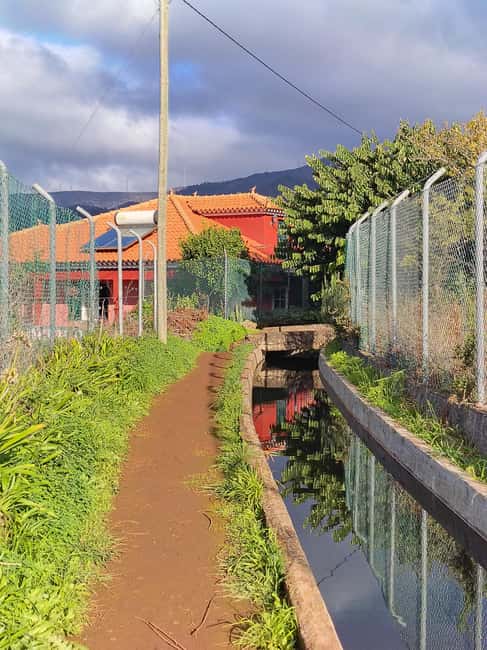
What makes this tour feel more human than a typical hike is the way it threads small rural communities into the walking route. You’ll pass colorful houses, flower-filled gardens, and cobbled lanes. That’s a visual treat, sure—but what I find more interesting is the everyday scenes you’re likely to witness: residents tending plants, carrying baskets, or chatting by the roadside in warm afternoon light.
You’re not just passing through scenery. Your guide steers you toward the “people side” of Madeira—how the levadas were built, how they function, and how that system shaped life on the island. The most memorable parts are often short conversations: a local story, a quick explanation, an anecdote about water management, or a glimpse of routines that haven’t been replaced by tourism.
And if you’re traveling with questions—history, how the terraces get maintained, why the island looks the way it does—this is the kind of day where the guide’s answers can make the walk click.
Valleys, agriculture, and terraces: bananas, vineyards, and hand work
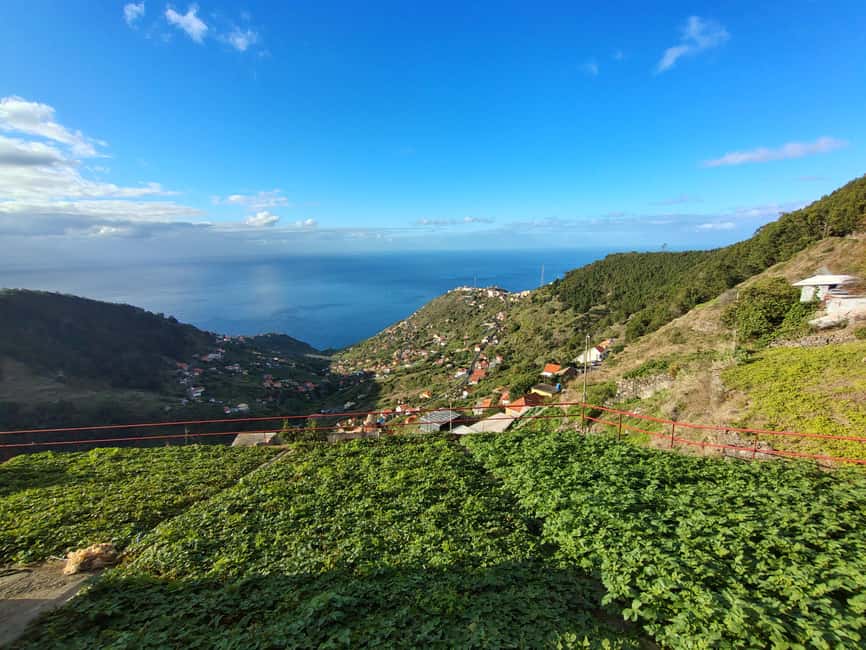
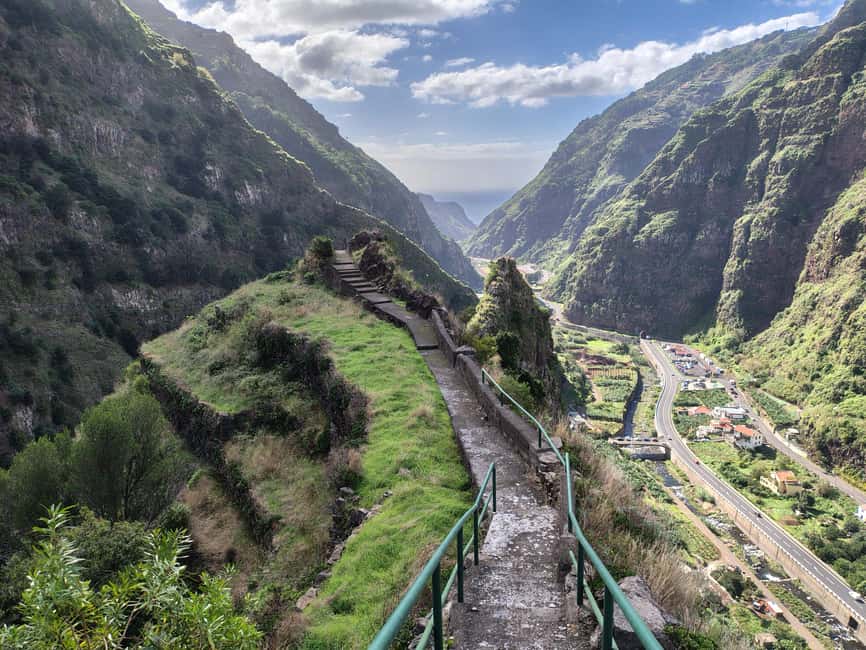
Once the walk opens up, the scenery shifts to agricultural terraces carefully carved into the hillsides. This is where Madeira looks productive and sculpted at the same time. Fields grow bananas, vineyards, and vegetables that support local families, and you’ll see how the island’s steep terrain gets turned into something workable.
One of the most meaningful details here is that many plots are still tended by hand. You don’t need to romanticize it to appreciate what that implies: labor, patience, and a landscape shaped by practical knowledge passed down through generations. Even if you’re only watching for a short time, you can feel that continuity in the way the terraces are maintained and the way people move through the farmland.
If you like photos, this part delivers—terraces create repeating lines and angles, and the guide’s pacing usually gives you time to frame shots without rushing. If you’re not into photos, it’s still worth slowing down, because you’ll better understand how the island’s “water paths” connect to farming.

Forest shift: laurel, eucalyptus, mossy stones, and cooler air
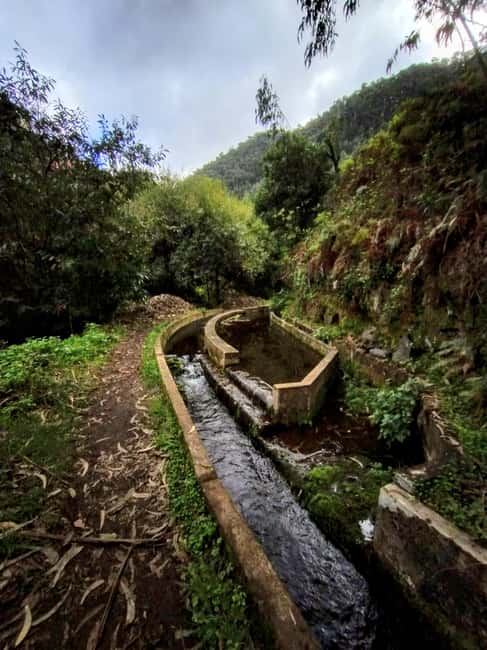
After terraces, the trail transitions into forest. The change isn’t just visual. The air often feels cooler, and the smells come forward—laurel and eucalyptus are mentioned as part of what you’ll notice along the way. You’ll also see moss-covered stones, ferns, and wildflowers lining parts of the path.
This is a great section for a quieter mindset. The canopy filters sunlight into softer patterns on the ground, and the sound of water tends to stand out even more. It’s also the part of the day where you’re most likely to notice small trail textures and details that you’d miss at a faster pace.
And yes—weather matters here. If it’s been raining, moss can mean slick footing. That’s another reason hiking shoes and a little extra caution go a long way.
Viewpoints with Atlantic drama: valleys, distant villages, and cliffs
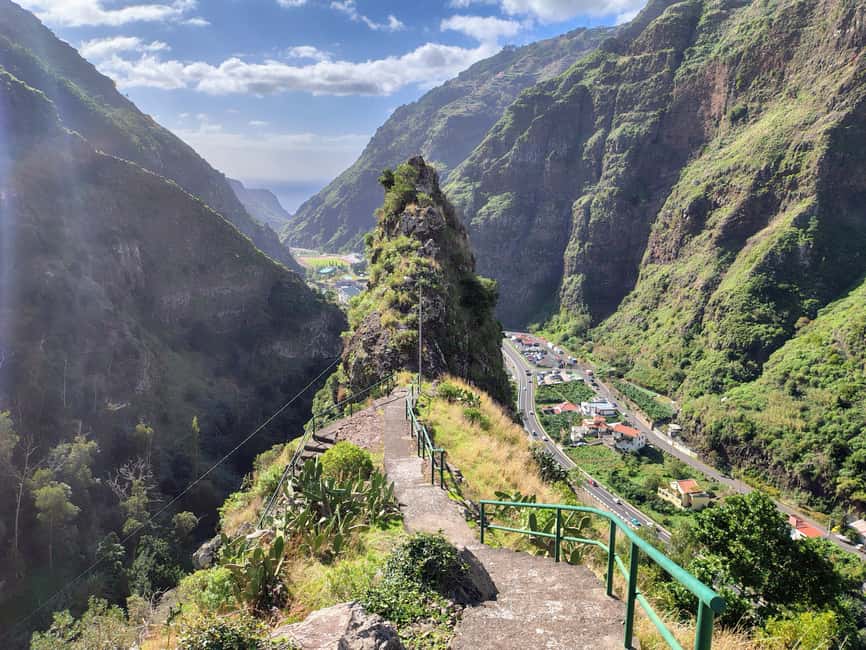
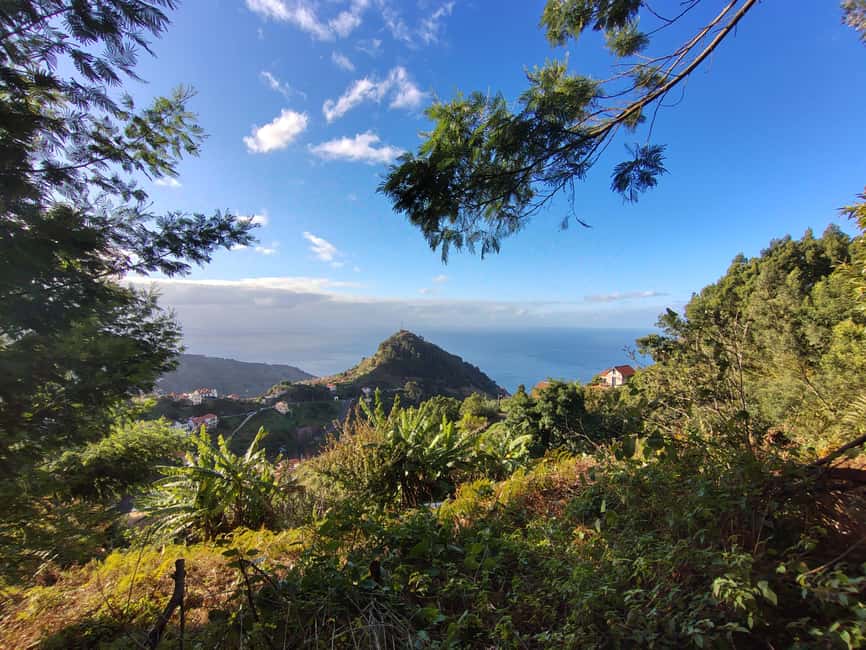
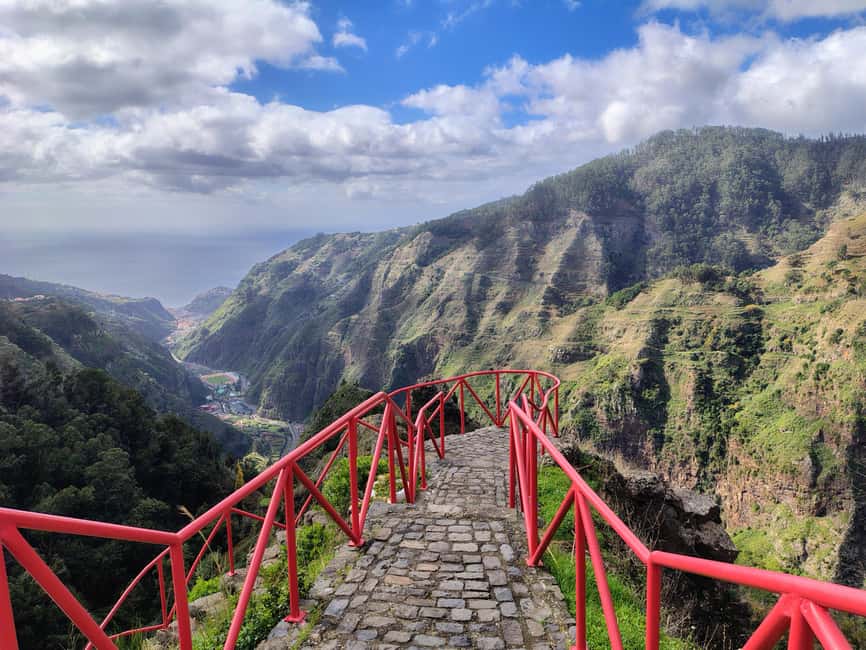
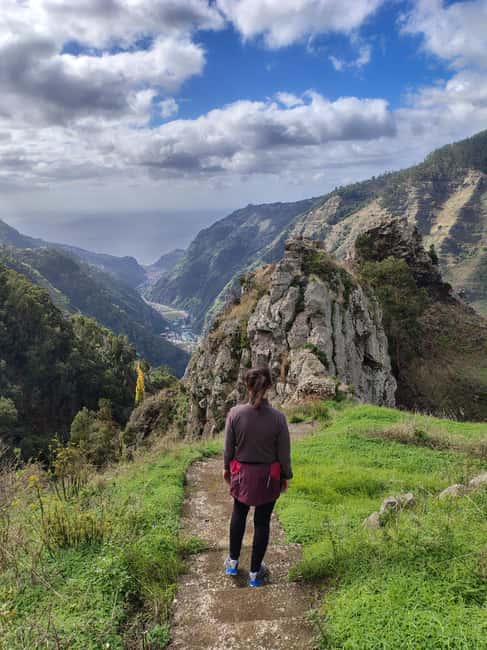
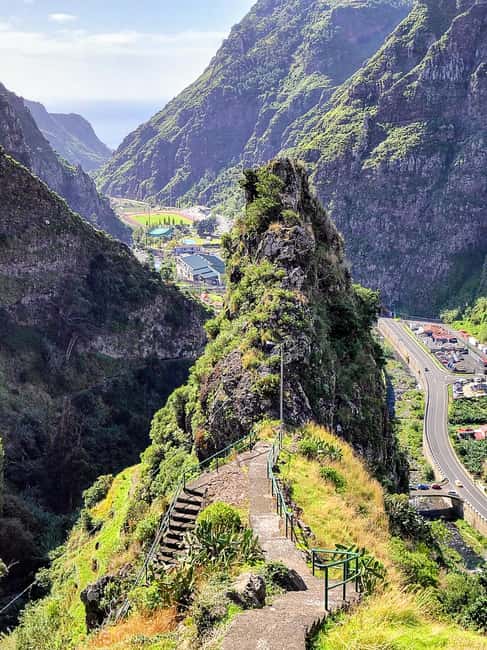
Throughout the walk, you’ll hit several natural viewpoint spots—think of them as balconies. From these points, you can see wide valleys below, deep green forest, and the Atlantic Ocean stretching toward the horizon.
On clear days, you can also spot distant villages and coastal cliffs. Those “how did people build life there?” moments are part of the point of this tour. Madeira’s rugged geography isn’t just a postcard; it shapes where communities settle, how farming happens, and why levadas matter so much.
This is also where the guide’s explanations can help. When someone points out what you’re actually looking at—valley patterns, coastline geometry, or how water access connects to farming—you stop seeing the island as just scenic and start seeing it as functional.
Pacing, what to bring, and how to stay comfortable
This is a walking-focused day, so your comfort depends on preparation. Here’s what you should plan to bring:
- Hat
- Camera
- Hiking shoes
- Sunscreen
- Water
- Rain gear
- Comfortable clothes
- Packed lunch
Even if you expect sun, bring rain gear. Madeira’s weather can shift, and the tour specifically notes that you should be ready for changing conditions. Also, keep water handy—this isn’t a “sip whenever” stroll, because the terrain and time add up.
For those planning a lunch: meals and drinks aren’t included, so pack your own packed lunch. A simple meal is fine. Just keep it light enough that you can still enjoy the second half of the walk.
As for comfort rules: alcohol and drugs aren’t allowed. That’s typical for guided nature days and helps keep the group safe and focused.
Price and value: what you get for $88
At $88 per person for a 6-hour guided experience, the value comes from the mix of things you don’t easily replicate on your own: guided levada interpretation, hotel pickup/return from Avenida do Mar, and the way the route includes both water features and local village life.
You’re also paying for time and context. A self-guided hike can get you views. A guided levada walk can help you understand what you’re seeing—why the water runs where it does, how it shaped everyday routines, and what tradition looks like in daily work.
Add in the small-group feel (it can be private or small groups) and the fact that the guide speaks Portuguese and English, and the price starts to make sense as a “guided day out” rather than just trail access.
If you’re budgeting in Madeira, I’d treat this as a mid-range activity worth it when you care about meaning, not just mileage.
Who this tour suits best (and who should skip it)
This is best for people who:
- want a guided nature + community walk, not just a scenic viewpoint tour
- can handle a mostly flat 12 km route with one uphill and one downhill section
- enjoy walking at an unhurried pace where you’ll stop for views and ask questions
It’s not suitable for:
- people with mobility impairments
- people with vertigo
If you’re the type who gets nervous on narrow or uneven paths, take that seriously. The tour may be manageable for many walkers, but it isn’t built for those who can’t handle height or balance challenges.
The small details that make the day better
A few practical touches can make or break this kind of outing:
- Start with comfortable clothes you can get a little damp or muddy in.
- Bring sunscreen even if you get cloud cover. You’ll still see open viewpoints.
- Don’t overpack with extras. Your focus should be on steady walking, water sound, and stopping for views.
Also, the route can include a memorable descent described as the Vale da Serra de Água in this experience, along with walking along Levada do Norte. That’s the kind of detail that gives the day a clear sense of place and helps you picture the route when you’re on the trail.
One more win: guides here tend to be very engaged—friendly, question-ready, and happy to share lots of information. That matters because the best parts of a levada day aren’t just the views. They’re the explanations that make water systems and terrace farming feel personal.
Should you book this Madeira levada outing?
Yes, I’d book it if you want a guided walking day that blends water, people, and working landscapes rather than just ticking off a trail. It’s a strong choice for couples, small groups, and solo travelers who like to talk with locals and learn while walking.
Skip it if you have vertigo or you need accommodations for mobility. And if you hate unpredictable weather, plan to pack rain gear and accept that Madeira can change its mind quickly.
If you want a day that feels calm but not passive, this is a good match. You’ll end the walk with legs that worked a bit, eyes that got plenty of views, and a better understanding of why water is at the center of life on the island.
FAQ
How long is the walk?
The total experience lasts about 6 hours, and the guided walking time is around 4 hours.
Where do I get picked up?
Pickup and return are from Avenida Do Mar at the agreed time and place.
What’s the difficulty level?
The trail is approximately 12 km and mostly flat, with just one uphill and one downhill section. You should be ready for changing weather.
What languages are available for the guide?
The live tour guide offers Portuguese and English.
What should I bring for the tour?
Bring a hat, camera, hiking shoes, sunscreen, water, rain gear, comfortable clothes, and a packed lunch.
Is there anything I should not bring or do?
Alcohol and drugs are not allowed on the tour. Meals and drinks are not included, so you’ll need to plan your own lunch.
More Tour Reviews in Madeira
- From Funchal: Ecological Catamaran Dolphin Whale Watching
★ 4.5 · 8,204 reviews - Madeira: Skywalk, Porto Moniz, Seixal, and Fanal 4WD Tour
★ 4.9 · 7,905 reviews - Funchal: Dolphin and Whale Watching Catamaran Cruise
★ 4.5 · 5,697 reviews - Funchal: Enchanted Terraces, Porto do Moniz & Fanal 4WD Tour
★ 4.8 · 4,930 reviews - From Funchal: Best of Madeira’s West Tour
★ 4.7 · 3,463 reviews
More Levada Walks, Rabaçal and Onward
- Madeira: Enjoy a Guided Levada Walk in the Rabaçal Valley
★ 4.7 · 2,197 reviews - Rabaçal: 25 Fontes & Risco Levada Hiking Transfer
★ 4.8 · 1,670 reviews - Madeira Walks – Rabaçal and the 25 Fountains
★ 4.6 · 1,204 reviews - Caldeirão Verde: Levada Caldeirao Verde Hiking Transfer
★ 4.9 · 1,071 reviews - Madeira East Island Tour and Levada Walk
★ 4.6 · 800 reviews
Just In: New Madeira Reviews



Levada Walks & Rabaçal, compared.
 ★ 4.7Enjoy a Guided Levada Walk in the Rabaçal ValleyFrom $502,197 reviews
 ★ 4.8Rabaçal: 25 Fontes & Risco Levada Hiking TransferFrom $401,670 reviews
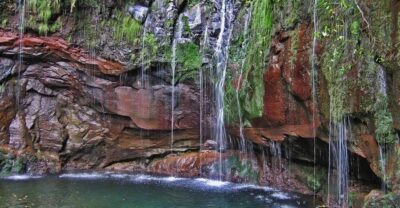 ★ 4.6Madeira Walks – Rabaçal and the 25 FountainsFrom $501,204 reviews
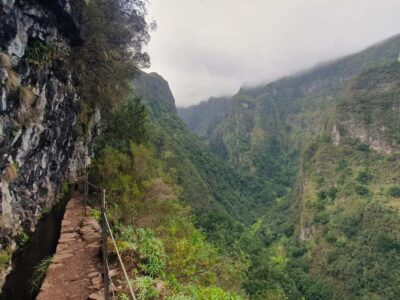 ★ 4.9Caldeirão Verde: Levada Caldeirao Verde Hiking TransferFrom $391,071 reviews
 ★ 4.6Madeira East Island Tour and Levada WalkFrom $64800 reviews
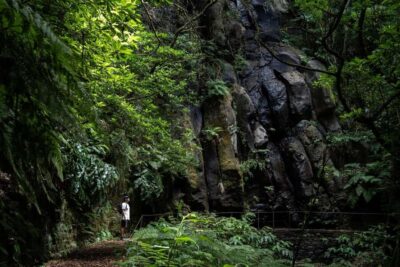 ★ 4.8PR 9 – Levada do Caldeirão Verde Hike TransferFrom $47620 reviews
 ★ 4.8Small Group Walks Rabaçal 25 FontesFrom $53548 reviews
 ★ 5.0Skywalk 4×4 Experience and Rabacal 25 Fountains Levada WalkFrom $41318 reviews
Browse the lists this tour appears in