Review · MADEIRA
Funchal Agriculture Green Tour
Bananas don’t grow by magic. This Funchal Agriculture Green Tour trades tour-bus stops for working farms, teaching you how Madeira food gets made—from banana packing to grafting methods. I love the private farm access and the hands-on feel of seeing real processes up close, not just pretty fields. My other favorite part is the family cattle operation and the old rum factory with steam machines. The one thing to keep in mind: in winter you might not always get ripe bananas for tasting.
This is a “get out of town” kind of trip. You’ll move from Funchal into the island’s north and countryside, with knowledgeable guide talk and real sights along the way—crops, greenhouse work, animals, and a lunch that feels made for locals, not show tourists.
Because it’s limited to a small group (up to 8), the pace stays human. Just plan for walking on farm surfaces and bring comfortable shoes and a jacket, especially if you’re going when the weather cools off.
In This Review
- Key highlights at a glance
- Working farms around Funchal: why this tour feels different
- The small-group format: worth it in Madeira’s roads
- Morning start: leaving Funchal for private banana fields
- Sao Martinho and the first guided context: setting the route
- Agriculture School visit: grafting in the greenhouse
- Countryside drive and rural lunch in Madeira home-style form
- Porto da Cruz rum factory and steam machines (the “wow” stop)
- Private cattle farm with over a century of milk tradition
- Pacing, comfort, and what to pack for a 6-hour farm day
- The value question: is $100 per person a fair deal?
- Who this tour suits best
- Should you book the Funchal Agriculture Green Tour?
- FAQ
- How long is the Funchal Agriculture Green Tour?
- What’s included in the price?
- Where can I be picked up from?
- What languages does the live guide speak?
- Will I get to taste bananas and rum?
- Is this tour suitable for children or wheelchair users?
Key highlights at a glance
- Private banana-field access with a look at how farmers care for their land
- GESBA banana business tour to understand what happens after bananas are picked
- Agriculture School greenhouse grafting lessons plus tasting from local trees when in season
- A countryside lunch in a cozy rural home-style setting with drinks and coffee included
- Porto da Cruz steam-era rum factory visit, often running during April–May sugarcane season
- A long-family cattle farm visit focused on milk traditions tied to requeijão cheese
Still deciding? Set this one beside a few island favourites first.
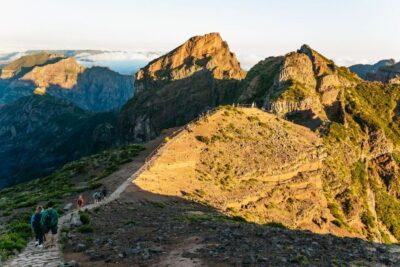
- Funchal: Pico do Arieiro Sunrise Hiking Transfer★ 4.8 · 4,021 reviews
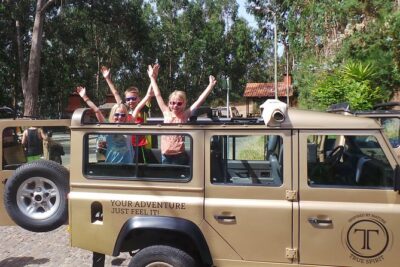
- Porto Moniz, Seixal, Fanal Forest, Cliff Skywalk in Open Roof 4X4★ 5.0 · 3,631 reviews
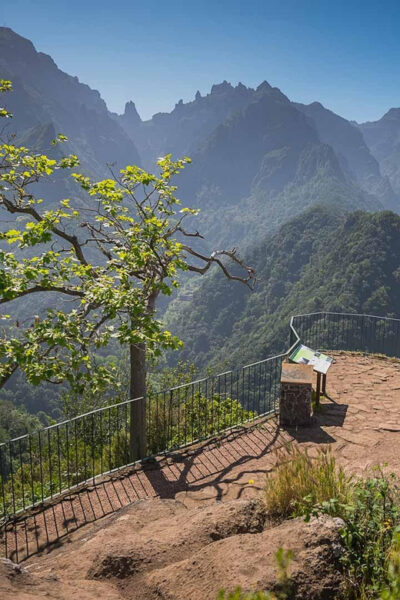
- Madeira Funchal:East Tour Pico Arieiro & Santana&Laurissilva★ 4.9 · 1,994 reviews
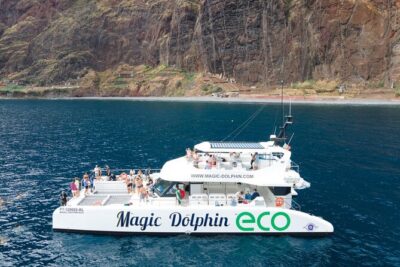
- Madeira Dolphin and Whale Watching on a Ecological Catamaran★ 4.5 · 1,957 reviews
Working farms around Funchal: why this tour feels different
This tour works because it’s built around production, not postcards. You’re not just looking at Madeira’s countryside from a distance. You’re seeing how people farm, how they plan, and how they keep crops and animals going year after year.
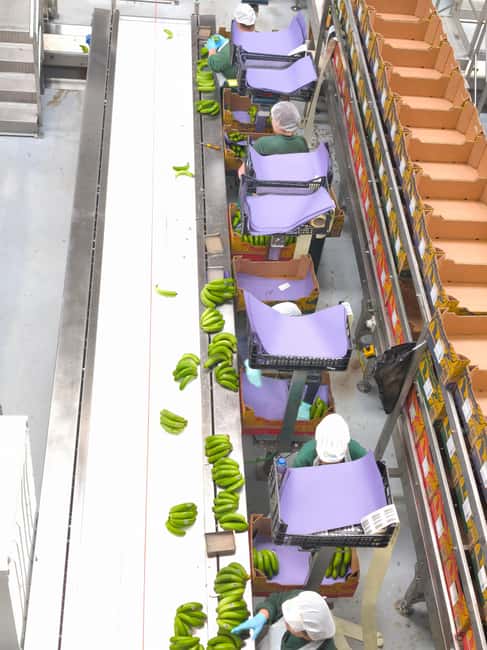
The biggest win for me is the mix of private visits and guided industry explanations. You start with a private banana field, then you move into a more formal banana management stop (run by the sector organization). That contrast helps you understand the full chain: from cultivation and care to selection, packing, and what the bananas become after harvest.
And then the tour swaps “crop talk” for animal and craft talk. The cattle farm is long-running—over a hundred years in the family—and tied to Madeira’s requeijão cheese tradition. Later, you end up at an old rum factory where steam machines still matter. That shift keeps the day from feeling repetitive.
The small-group format: worth it in Madeira’s roads
This experience is limited to 8 participants, so it doesn’t feel like you’re herding people on narrow roads. You also get more chances to ask basic questions without feeling rushed. In a place like Madeira, where drives can be twisty and timed, that small scale helps.
You’ll spend about 6 hours total. That’s long enough to get real variety—banana growing, greenhouse training, countryside lunch, and rum and cattle stops—without turning the day into an all-day ordeal.
Pickup matters too. You get hotel pickup and drop-off in Caniço and Funchal (specific options also include Santa Cruz). If you’re staying outside those areas, you’ll meet in a main-road parking area (the Hotel Madeira Panorâmico parking is mentioned for some pickup exceptions). Either way, you won’t have to figure out public transport across farmland country.
Morning start: leaving Funchal for private banana fields
Your day begins in Funchal, heading out through private farm areas. The early focus is bananas, which Madeira grows in a way that makes sense locally—shaped by steep terrain, microclimates, and careful land care.
The private banana-field visit is the part I’d put at the top of the list if you like seeing how work actually looks. You’ll get a look at how farmers manage their fields and how the banana business functions on the ground. It’s not just photos of plants; it’s people explaining what they do and why.
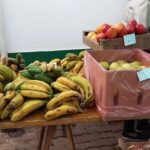
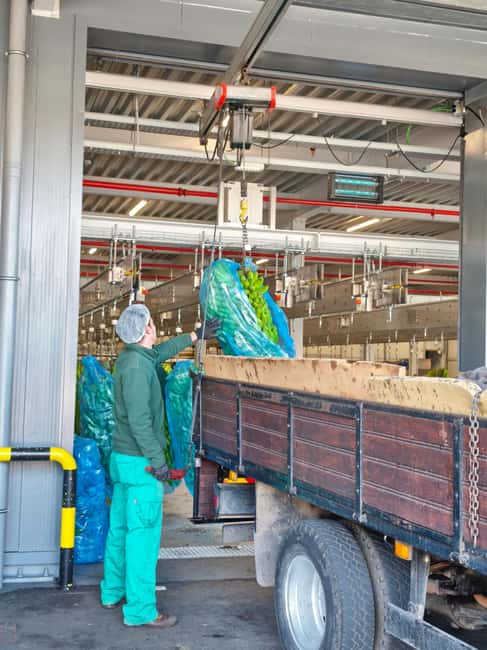
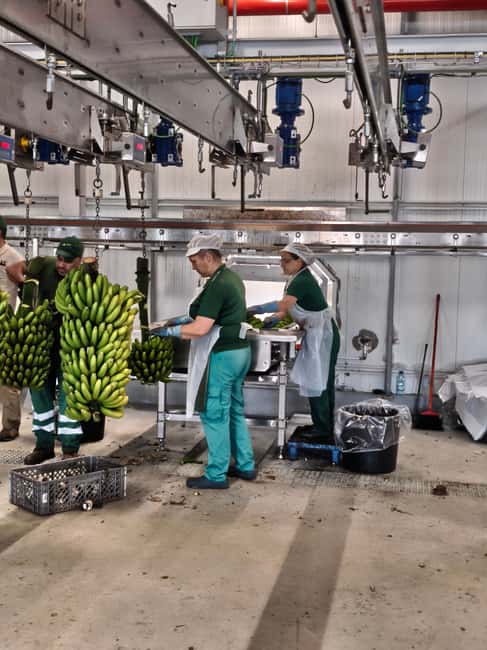
Then comes the government-run banana business tour (GESBA). This is where the story gets more structured. You learn what happens after bananas are cut—how bananas move through the system from selection to packing. If you’ve ever wondered how fruit goes from farm to shelf, this is the practical answer.
One note for timing: the tour includes banana tasting, but in winter you might not always have ripe bananas available. That doesn’t ruin the experience; it just means you should expect tasting to be seasonal.
Sao Martinho and the first guided context: setting the route
Before you hit the deeper farm stops, there’s a guided segment around Sao Martinho in Funchal (about 40 minutes). Think of this as orientation time. You’ll get a sense of what you’re going to see, and it helps you connect the dots once you start talking agriculture in real places.
This part is useful if you’re the type who likes a story before the scenery. It also means you’re not just tossed into vehicles and rushed out the door. You get some context for why the island’s agriculture looks the way it does.
Agriculture School visit: grafting in the greenhouse
This is the technical highlight of the day, and it’s genuinely interesting if you like practical agriculture. The agriculture school visit includes greenhouse touring and learning about grafting methods—the kind of skill that matters when you’re working with trees, seasonal cycles, and local varieties.
You’ll also see international trees that were planted years ago, plus local options like avocado and lemon trees. When fruits are in season, the school offers tastings. So the menu isn’t one fixed set. It depends on timing, which is exactly how farming works.
The grafting lesson is the kind of thing you remember later because it’s not vague. It’s about technique—how plants are joined, how growers improve results, and why it helps in island conditions. Even if you’re not a plant nerd, it gives you a satisfying explanation for why some fruit behaves the way it does.
Countryside drive and rural lunch in Madeira home-style form
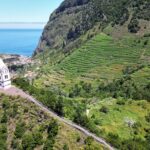
After the agriculture school, you head to the northern side of the island. The drive itself is part of the experience here: you see farms and farmers working outside the city, in a countryside setting where agriculture is simply part of the daily scene.
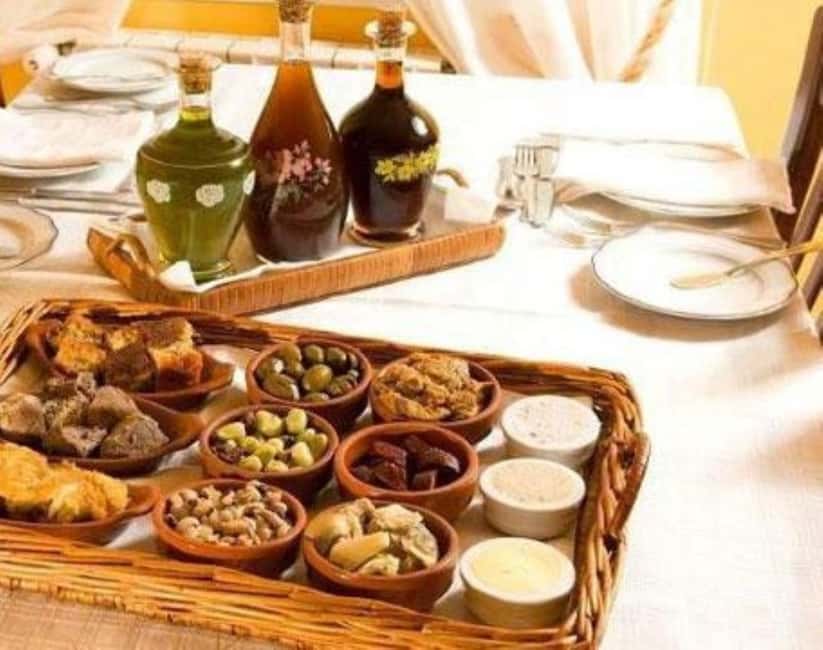
Then lunch is served in a cozy countryside rural area of Madeira. The food is local Maderian style: fresh baked home bread, tapas, and a main meal choice of fish or meat. You’ll also get fresh vegetables and homemade desserts.
What I appreciate most is that this isn’t lunch that feels like a checkbox. The structure sounds like a home meal with island flavors: start with bread and tapas, then your chosen main, then dessert. Drinks and coffee are included, so you don’t have to play budgeting games mid-tour.
This stop also gives you a breather. After farm entrances and greenhouse talk, sitting down matters. You’ll likely feel more comfortable walking after lunch, too.
Porto da Cruz rum factory and steam machines (the “wow” stop)
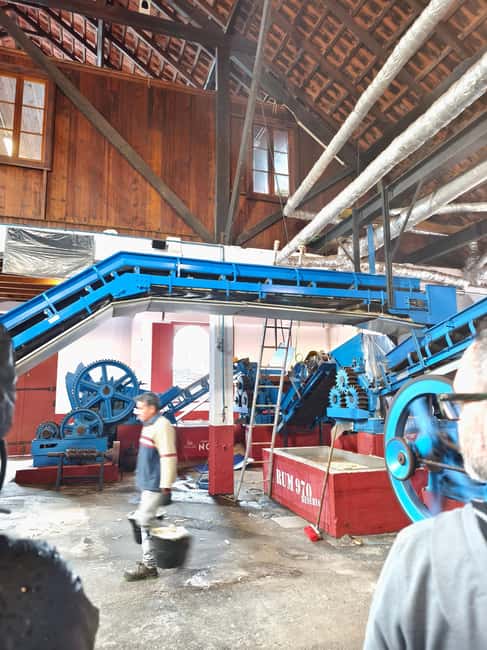
In Porto da Cruz, you visit one of Madeira’s oldest rum factories. The standout detail here is the steam machines, which are still in use.
During the sugarcane season (April to May), the machines are operating. Even if you’re traveling outside that window, the visit still gives you the history and the working feel of how production used to happen and how it still connects to the island’s crop calendar.
This is a great stop if you want something that isn’t purely agriculture-based. Sugarcane ties agriculture to spirits, and it turns what could feel like another factory tour into a story with clear inputs and outputs. The day ends up feeling more complete because you’ve seen crops, trees, animals, and then a product people enjoy.
You’ll also get rum tasting, which is a fun closer—small, manageable, and tied to what you just learned.
Private cattle farm with over a century of milk tradition
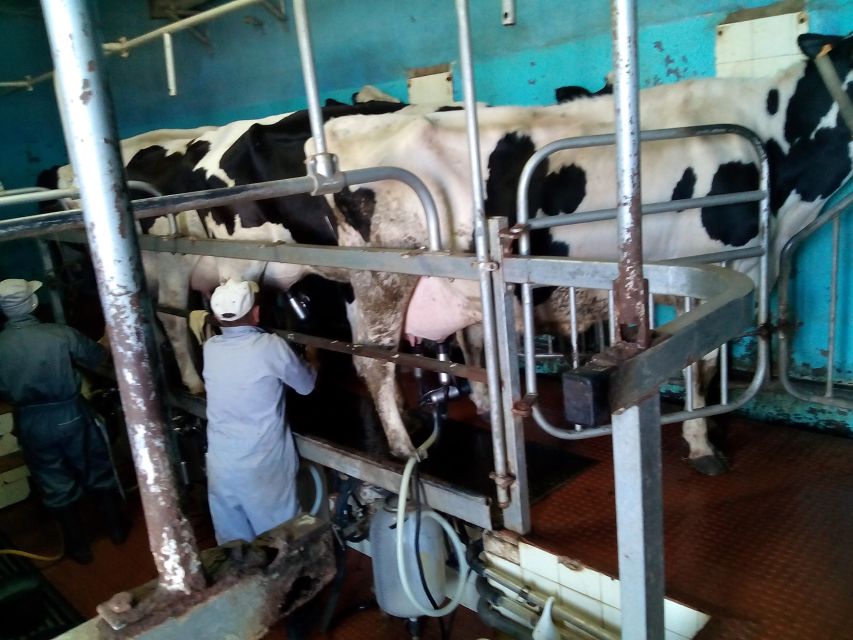
Next comes the cattle side of Madeira’s agriculture story. The tour includes a private visit to a cattle farm that’s been in the same family for over a hundred years.
This farm supplies much of the milk used to make the island’s famous requeijão cheese. You’ll also see old milking techniques, which is the kind of detail that helps you understand tradition without turning it into pure museum theater.
If you’re visiting with kids, this stop tends to land well because it’s animals plus clear production relevance. Even if you’re traveling solo, it adds a “real life” feel to the day that you don’t always get on food tours.
Pair this with the earlier banana and grafting content, and you get a fuller picture: agriculture here isn’t just about plants. It’s also about routines, handling animals, and keeping quality consistent over generations.
Pacing, comfort, and what to pack for a 6-hour farm day
This is a farm-and-production day, so dress like you might end up standing on uneven ground. The tour asks you to bring comfortable shoes and warm clothing (and a jacket). That’s practical advice, not fluff.
Also, plan for time outdoors even if you’re mostly in vehicles. Farm visits and greenhouse touring can involve slow walking, waiting for explanations, and lots of stops where you’re looking, listening, and taking photos.
The tour is not suitable for wheelchair users, and it’s not for kids under 6. If you’re bringing a child, you’ll want to keep their comfort level in mind because the day includes multiple site visits.
The value question: is $100 per person a fair deal?
At $100 per person for a 6-hour small-group day, the value comes from three things you can’t easily DIY:
First, you’re paying for access. The private banana field and private cattle farm are the kind of visits that are hard to arrange on your own without local connections.
Second, you’re paying for translation of process. The tour doesn’t stop at “look at the plants.” It connects what’s happening to how bananas get selected and packed, how grafting works, and how milk supports requeijão cheese production.
Third, you’re paying for food included. Lunch includes tapas, a main choice (fish or meat), desserts, drinks, and coffee. That turns the day into a mostly pre-paid package rather than an add-on parade.
If you’re the type who enjoys learning practical systems—food supply chains, plant technique, and traditional production—this price starts to make sense quickly. If you mainly want a scenic drive with minimal walking and minimal explanations, you might prefer a lighter sightseeing-focused option.
Who this tour suits best
I’d point this tour toward people who want authentic agriculture experiences and enjoy structured learning. It’s a strong fit for:
- Food lovers who like understanding where ingredients come from
- Garden and plant-curious travelers interested in grafting techniques
- Families who want animals and a clear, safe pace for small-group touring
- Travelers who want one day that mixes farms with a “real product” stop (rum)
If you’re chasing pure relaxation with no active stops, this may feel busy. There’s a lot packed into 6 hours, and the day involves multiple entrances and walking on different surfaces.
Should you book the Funchal Agriculture Green Tour?
If you want one Madeira day that explains how the island actually feeds itself—bananas, fruit trees, cattle milk traditions, and steam-era rum production—then yes, I’d book it.
Book it especially if you like small-group access and you’re tired of tours that only show you views. This one trades easy scenery for working knowledge, and you walk away with a better grasp of how agriculture stays alive on a steep island.
Only hesitate if you’re traveling in winter and really care about tasting ripe bananas every time. Seasonal fruit can be part of the story here, not just an afterthought.
FAQ
How long is the Funchal Agriculture Green Tour?
The tour lasts 6 hours.
What’s included in the price?
Hotel pickup and drop-off (in Caniço and Funchal), entrances to the banana farm, the agriculture school, and the cow farm, lunch with drinks and coffee, and rum tasting.
Where can I be picked up from?
Pickup is included for hotels in Caniço and Funchal. The tour data also notes pickup options and that some guests can meet in the main road near the Hotel Madeira Panorâmico parking.
What languages does the live guide speak?
The live tour guide speaks Spanish, English, French, and German.
Will I get to taste bananas and rum?
Yes. The tour includes banana tasting at the end of the banana-related part (and it notes that in winter bananas may not always be ripe), and it also includes rum tasting at Porto da Cruz.
Is this tour suitable for children or wheelchair users?
The tour is not suitable for children under 6 years old and is not suitable for wheelchair users.
More Tour Reviews in Funchal
- Funchal: Pico do Arieiro Sunrise Hiking Transfer
★ 4.8 · 4,021 reviews - Porto Moniz, Seixal, Fanal Forest, Cliff Skywalk in Open Roof 4X4
★ 5.0 · 3,631 reviews - Madeira Funchal:East Tour Pico Arieiro & Santana&Laurissilva
★ 4.9 · 1,994 reviews - Madeira Dolphin and Whale Watching on a Ecological Catamaran
★ 4.5 · 1,957 reviews - Funchal: Pico do Arieiro & Pico Ruivo Hiking Transfer
★ 4.9 · 1,845 reviews