
Review · FUNCHAL OLD TOWN & CABLE CAR
Funchal: Old Town Walking Tour
Funchal makes more sense when you walk it slowly. This 2-hour Old Town circuit links Jesuit buildings, a 19th-century sweet factory, and market life, with guided stories that explain why sugar, floods, and faith shaped the city center.
I love the balance of major stops and surprise interiors, starting with a look inside Funchal City Hall and ending back at the University’s Jesuits’ College. I also like how the tour includes hands-on culture stops like the Farmers’ Market and a Wine Lodge, so you get context and taste in the same afternoon.
One thing to plan for: the route includes cobbled streets and slight inclines. Comfortable shoes help a lot, and it may be harder if you have limited mobility.
Key takeaways before you go
- Jesuits’ College entrance right at the start and return, with King Sebastian-era context
- City Hall interior stop plus a 19th-century sweet factory you might never find on your own
- Farmers’ Market tour with local industry stories tied to Madeira’s trade past
- Medieval Santa Maria Street and Admiral’s Garden with fortress ruins near old flood defenses
- Sugarcane-era connections that explain how Funchal grew into a major Portuguese island hub
- A small-group format led by Madeiran Heritage guides, including names like Annabelle, Elias, Elea, Hugo, Hannah, Evalina, Sara, and Elena from recent tours
In This Review
- Starting at the Colégio dos Jesuítas do Funchal: fast orientation
- City Hall surprises and a 19th-century sweet factory you can actually picture
- Farmers’ Market to Santa Maria Street: from everyday life to medieval lanes
- Admiral’s Garden and fortress ruins: how floods shaped Funchal
- Colombo Square and the sugarcane story that connects to the Americas
- The Regional Legislative Assembly and Funchal Cathedral: power and faith in one walk
- Municipal Garden, a traditional Wine Lodge, and the return to Jesuit Funchal
- Why the guide style makes this tour feel worth $19
- Price and value: what $19 buys beyond a walk
- Practical tips so the old town feels easy, not annoying
- Should you book the Funchal Old Town Walking Tour?
- FAQ
- Where is the meeting point?
- How long is the walking tour?
- Where do you end the tour?
- What is included in the ticket price?
- Are food and drinks included?
- What languages are the guides?
- Is the tour wheelchair accessible?
- Can I cancel and get a refund?
- Are children allowed?
Starting at the Colégio dos Jesuítas do Funchal: fast orientation
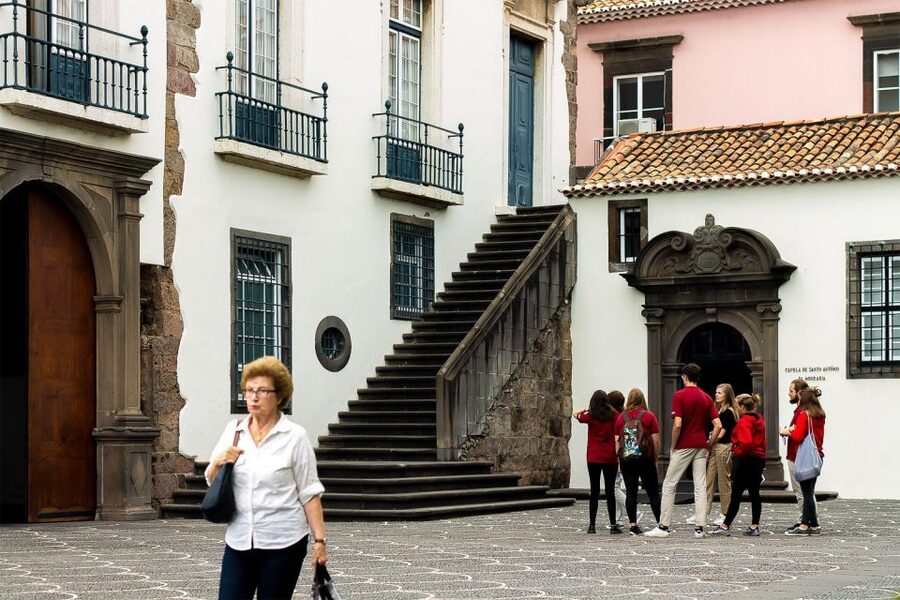
Your tour begins at the Jesuits’ College of Funchal inside the University of Madeira area, next to D’Oliveiras Madeira Wine on Rua dos Ferreiros. The key detail: the meeting point is at the University entrance on the street by the Jesuits’ Church, at the glass doors with the University signage. It’s not inside the church, which is easy to miss if you assume otherwise.
I like this start because it immediately frames the city: you’re not just walking for photos, you’re walking with a guided thread. The route circles back to the same area, so you end with a cleaner mental map of Funchal’s center and old streets.
The Jesuits’ College part matters more than it sounds. The college was founded in the 16th century under King Sebastian of Portugal, and the tour uses that backdrop to explain why Madeira’s social and religious life connected so tightly to the island’s economy.
Old Town lanes and the cable car, a few more
- Funchal: Old Town Walking Tour★ 4.7 · 3,233 reviews
- Funchal: Monte Tropical Garden & Toboggan Ride by Tuk Tuk★ 4.8 · 227 reviews
- Funchal: Monte Toboggan and Old Town Tour by Tuk-Tuk★ 4.9 · 225 reviews
- Funchal: Guided Old Town Tuk Tuk Tour and Botanical Gardens★ 4.8 · 197 reviews
City Hall surprises and a 19th-century sweet factory you can actually picture
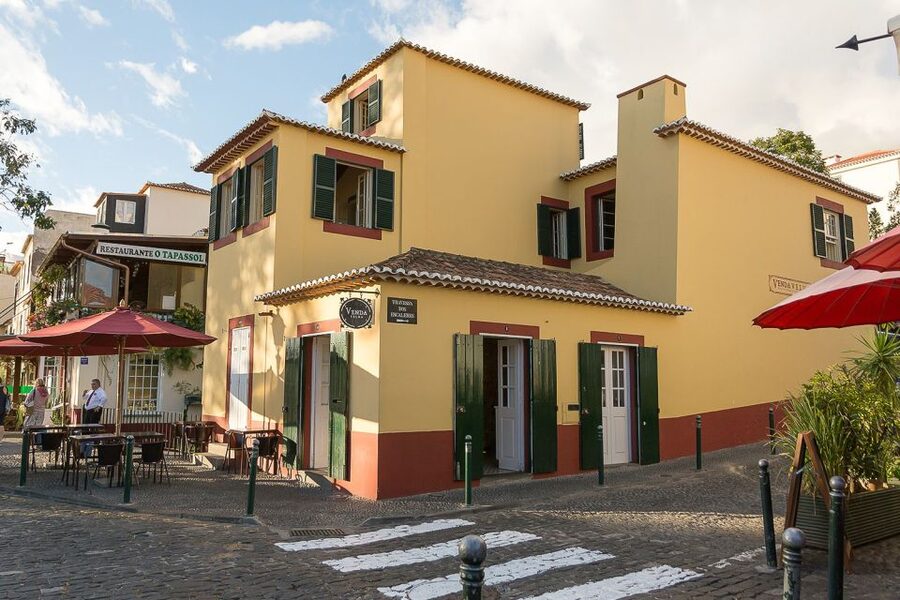
After you meet up, you’ll visit Funchal City Hall first. This is the kind of stop that makes a short walking tour feel bigger, because you’re seeing the official side of Funchal in a way most casual strolls never touch.
Then the tour shifts toward food history with a 19th-century sweet factory. This isn’t just a quick look at signage. The guide puts the sweets into context by linking Madeira’s longer industry story to what people ate, traded, and sold in the city.
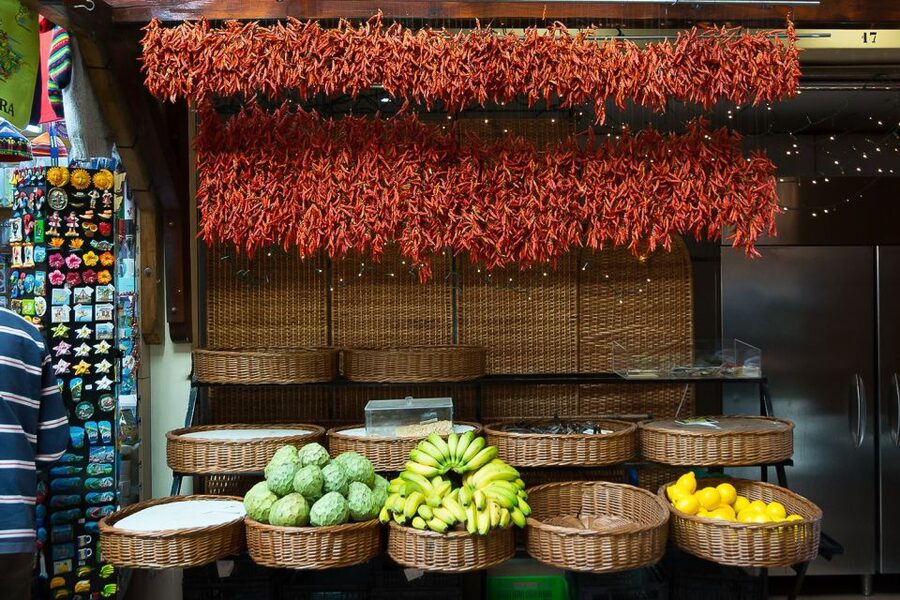
From there, you head toward the Farmers’ Market, with route stops along one of Funchal’s busier streets. You’ll hear about early Madeira industries, including the embroidery industry and how city life grew around what people produced.
At the market, you get more than walking through aisles. The guide gives you a sense of what you’re seeing—how local produce and crafts fit into the island’s identity. If you want to shop afterward, this is a good point to do it. One practical habit I’d copy: take notes during the guided portion, then go back for anything that caught your eye.
Farmers’ Market to Santa Maria Street: from everyday life to medieval lanes
The market is a turning point. It shows Madeira as a lived-in place, not just a postcard. Once you move on, the streets start getting narrower and more medieval in feel.
The tour heads through Rua de Santa Maria, a medieval street that feels like a corridor to the old city. This is where the guide’s storytelling helps most, because medieval streets aren’t just old—they show you how people organized movement, commerce, and safety when the island’s power and wealth were shifting.
You’ll also pass the Legislative Assembly area later, but before that you get a quieter sense of the city’s layers. It’s the kind of walk where small details matter: stone underfoot, corner views, and the way the street slopes change your perspective.
Admiral’s Garden and fortress ruins: how floods shaped Funchal
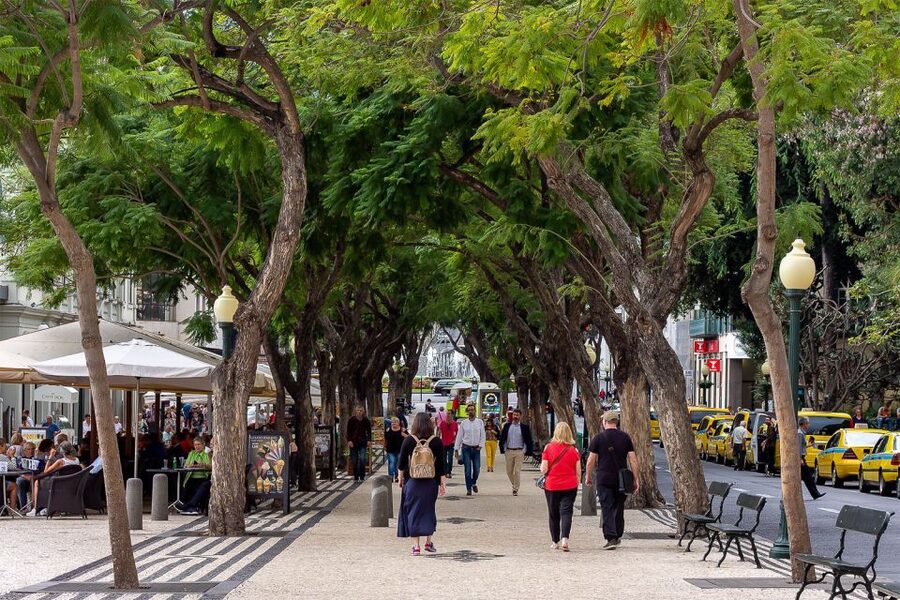
Next comes a section that explains why Funchal looks the way it does. You’ll visit Admiral’s Garden and see the ruins of an old fortress near the old riverbeds.
Here’s the practical value: when you understand the city’s flood-protection story, you start noticing the design logic everywhere. The riverbeds used to be walled in to protect the city from flooding, and fortifications were part of that defense system. Even if you’re not a history buff, it’s one of those facts that makes the place feel real.
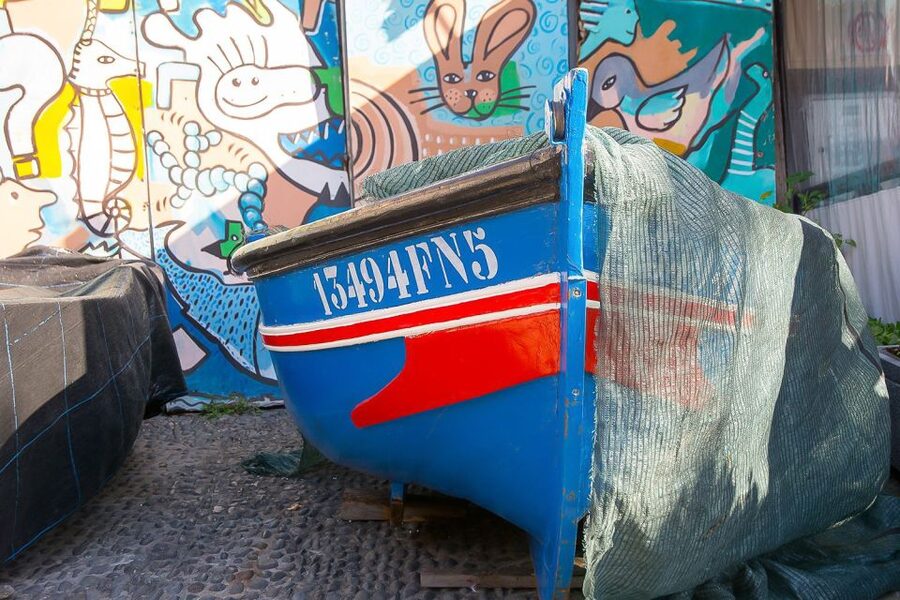
Some tour routes also line up with other street-level surprises, like the painted-door style projects seen in the old center. If you spot colorful doors while you walk, that’s exactly the sort of thing the guide tends to tie back to local heritage and community art.
Colombo Square and the sugarcane story that connects to the Americas
At Colombo Square, the tour focuses on sugarcane and the industry that helped Madeira gain wealth and international attention. Sugar isn’t only a “past topic” here. The guide explains how sugar money helped shape the city’s growth and power structures.
Then you get the surprising connection that turns this from normal local history into something you’ll remember. The tour ties Madeira’s sugar story to the discoverer of the Americas, who is connected to the island through a time when he lived there.
I like this moment because it gives you a wider frame. Madeira’s story isn’t isolated—it connects to Portuguese maritime life and the broader European Age of Exploration. And it also explains why the city has churches, public buildings, and institutions that feel more “major-city” than you might expect for a smaller island capital.
Madeira at walking pace, more routes

The Regional Legislative Assembly and Funchal Cathedral: power and faith in one walk
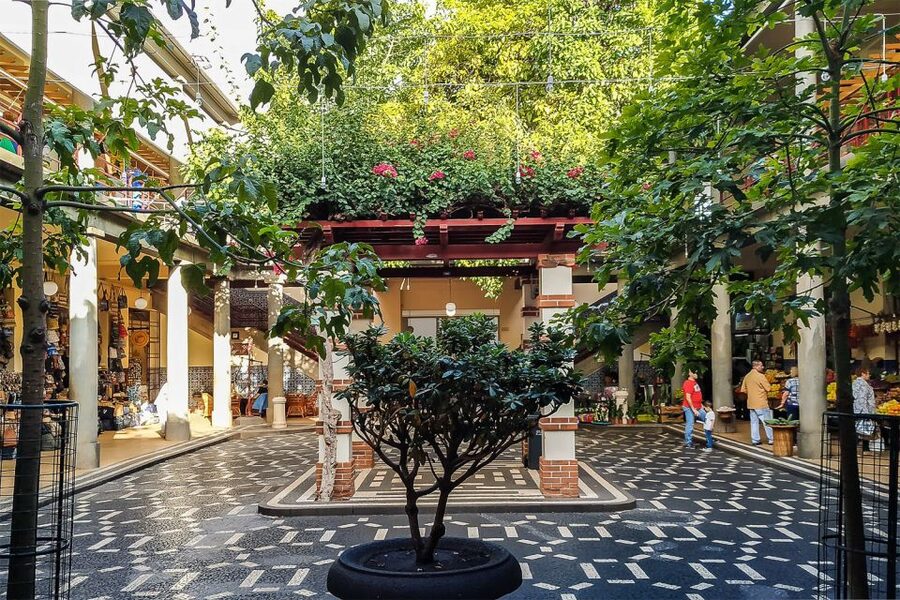
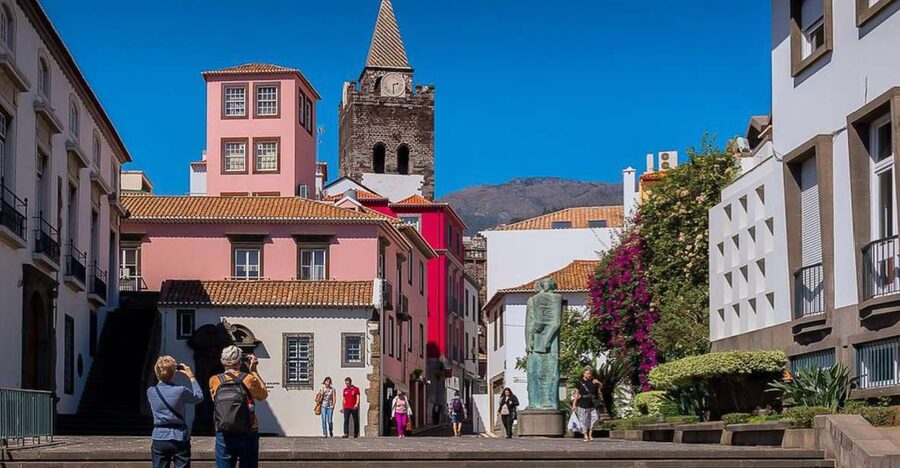
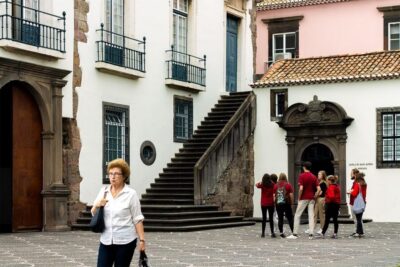
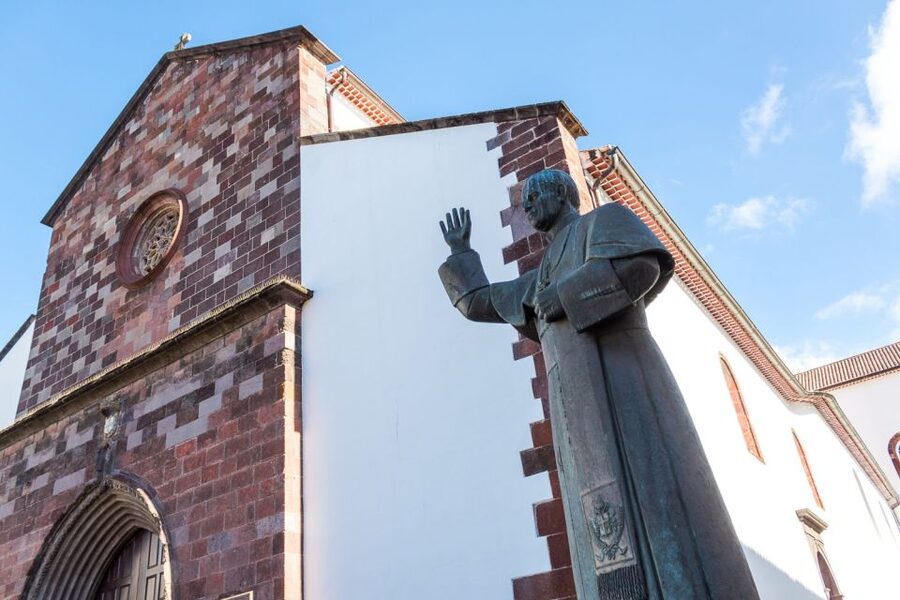
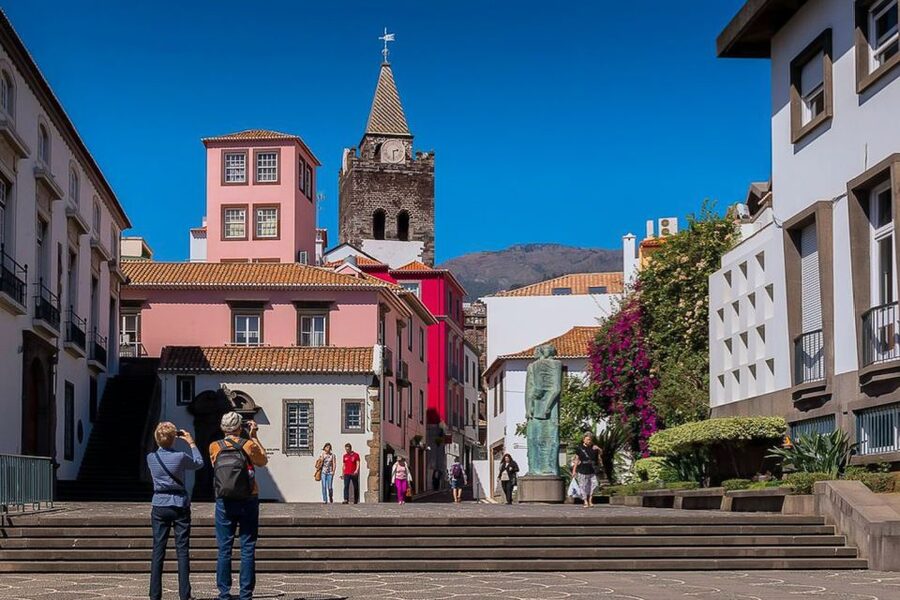
As you continue, you’ll visit the Funchal Cathedral. The tour also includes stops tied to Madeira’s civic power, including the Regional Legislative Assembly area, plus scenic pass-bys in the center that help you understand how religious authority and government authority coexisted.
One fact the guide highlights is that in the 16th century, the cathedral served as the seat of the largest diocese in the world. That’s not trivia. It’s a clue to why Madeira’s old center is so institution-heavy. People built and organized around the island’s role in Portuguese systems—religion was a major part of that.
If you’re the type who likes to read a place like a map, this is where the tour clicks. You start seeing how the city’s landmarks aren’t random. They’re part of a plan shaped by trade, church influence, and maritime connections.
Municipal Garden, a traditional Wine Lodge, and the return to Jesuit Funchal
The route then moves toward Jardim Municipal do Funchal (Municipal Garden). From here, you get a quick visit at a traditional Wine Lodge. Wine is a natural fit for Madeira, but the guide makes the stop more meaningful by tying it to how the island has long packaged its agricultural strengths into something exportable.
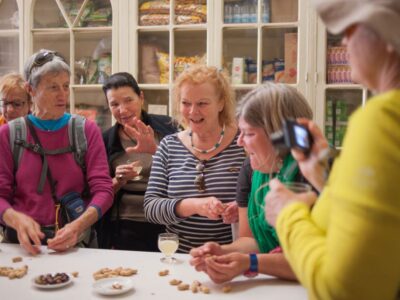
In practice, you should be prepared for the kind of ending that makes this tour feel worth it, especially if you like a drink at the end of a walk. Many groups report a short Madeira wine taste as part of the finale, which makes the history feel less like lecturing and more like living tradition.
You’ll then continue to the Jesuits’ Church, and finish by returning to the former Jesuits’ College area where the tour began. There are two drop-off options: back near Jardim Municipal and at the Colégio dos Jesuítas meeting point.
If you’re planning the rest of your day, this is also where the guide’s tip-giving style helps. People often leave with practical ideas for what to do next in Funchal’s center—markets to revisit, streets to explore again, and places to buy local specialties.
Why the guide style makes this tour feel worth $19
The best part of this walking tour is that it doesn’t treat history like a list. The guide uses printed or visual materials (including archive images) to support the storytelling. That matters because Madeira’s old city can look like a bunch of streets until someone connects them.
I also like the pacing because it’s built for real people. You’re out for 2 hours, and the route is designed so you can stop, look, and ask questions without feeling dragged. Recent experiences have highlighted guides who take time with photos and keep the flow easy—names that have come up include Annabelle, Elias, Elea, Hugo, and Hannah, with others like Evalina, Sara, Elena, and Evelina Matejovska also leading groups in recent sessions.
Small group size is another big value driver. You’re not fighting for hearing distance. You also get a chance to personalize the walk with questions like what to eat, what to prioritize later, and what parts of the center connect most to the island’s economy.
If you want a short trip that still feels like you learned something, this is the format that does it.
Price and value: what $19 buys beyond a walk
At $19 per person for a 2-hour guided walking tour, this one is priced in the sweet spot. You’re not paying for transportation or a heavy museum ticket. You’re paying for focused guide time, multiple structured stops, and access to spaces you’d likely skip—or miss—on your own.
Here’s what’s actually included:
- a guided walking tour around the old city center
- entrance to the Jesuits’ College of Funchal
- a guided visit at the Farmers’ Market
- a visit to a traditional Wine Lodge
- a visit to a 19th-century sweet factory
- storytelling support with printed/visual materials
- a contribution that funds educational and student support programmes at the University of Madeira
And that last point isn’t marketing fluff in this case. The tour supports student-led initiatives and educational outreach, as well as social assistance programmes for students.
For first-time visitors, this kind of pricing makes sense because the walk gives you a map of what to care about. You can spend your next day wandering with confidence instead of guessing which streets actually matter.
Practical tips so the old town feels easy, not annoying
This is an easy-to-moderate walking plan, but it is still city walking. Bring comfortable shoes. You’ll be on cobbled streets and there are slight inclines, so flip-flops and thin soles are a bad idea.
Weather is another factor. The tour runs in most conditions, so bring sun protection or rain gear depending on the forecast.
Two other practical notes:
- No luggage or large bags are allowed, so travel light.
- Try to arrive 10 minutes early. The meeting point is at the University entrance by the glass doors, and it helps to start calm rather than sprinting through the area.
If you have limited mobility, the tour is listed as wheelchair accessible, but the surface includes cobblestones and inclines. That means you’ll want to judge what’s realistic for your comfort level before you commit.
Should you book the Funchal Old Town Walking Tour?
Book it if:
- You’re in Funchal for a short window and want a clear orientation fast
- You like history that connects to daily life, markets, and what people actually produced
- You want a guided walk that includes the kind of places you’d probably miss (like the City Hall interior and the Jesuit College entrance)
- You appreciate a small-group feel and a guide who stays practical with tips for the rest of your stay
Skip it (or choose something else) if:
- You’re after a longer, museum-heavy day rather than a city-center walk
- You can’t manage cobblestones or inclines, even with a slower pace
For most people, this is a smart first booking in Funchal. You leave with a mental map, a set of stories that make the streets make sense, and a sense of why sugar, wine, and Madeira’s institutions still shape the city today.
FAQ
Where is the meeting point?
The tour meets at the Jesuits’ College of Funchal (University of Madeira Rectory) on Rua dos Ferreiros in the city centre, next to D’Oliveiras Madeira Wine. Look for the glass doors and the University of Madeira signage.
How long is the walking tour?
The tour lasts about 2 hours.
Where do you end the tour?
The tour includes two possible drop-off locations: Jardim Municipal do Funchal and the Colégio dos Jesuítas do Funchal.
What is included in the ticket price?
You get the 2-hour guided walking tour, entrance to the Jesuits’ College of Funchal, visits to the Farmers’ Market, the 19th-century sweet factory, and a traditional Wine Lodge, plus historical commentary and printed/visual materials.
Are food and drinks included?
Food and beverages are not included. The tour does include visits to a Farmers’ Market and a Wine Lodge, but the price does not list meals.
What languages are the guides?
Guides are available in German, English, and French.
Is the tour wheelchair accessible?
It is listed as wheelchair accessible, but the route includes cobbled streets and slight inclines, which can still be challenging for some mobility needs.
Can I cancel and get a refund?
Yes. Free cancellation is offered up to 24 hours in advance for a full refund.
Are children allowed?
The tour is suitable for children aged 10+ (younger children are welcome with supervision).
Madeira on Foot: More Walks
- Madeira: Enjoy a Guided Levada Walk in the Rabaçal Valley
★ 4.7 · 2,197 reviews - Funchal: East Madeira Island Guided Tour & Laurissilva Walk
★ 4.8 · 1,194 reviews - Madeira East Island Tour and Levada Walk
★ 4.6 · 800 reviews - Madeira: Food and Wine Walking Tour in Funchal
★ 4.8 · 469 reviews - From Funchal: Madeira Peaks Mountain Walk
★ 4.8 · 380 reviews
More Tour Reviews in Madeira
- From Funchal: Ecological Catamaran Dolphin Whale Watching
★ 4.5 · 8,204 reviews - Madeira: Skywalk, Porto Moniz, Seixal, and Fanal 4WD Tour
★ 4.9 · 7,905 reviews - Funchal: Dolphin and Whale Watching Catamaran Cruise
★ 4.5 · 5,697 reviews - Funchal: Enchanted Terraces, Porto do Moniz & Fanal 4WD Tour
★ 4.8 · 4,930 reviews - From Funchal: Best of Madeira’s West Tour
★ 4.7 · 3,463 reviews
Old Town on Foot, Up by Cable Car
- Funchal: Monte Tropical Garden & Toboggan Ride by Tuk Tuk
★ 4.8 · 227 reviews - Funchal: Monte Toboggan and Old Town Tour by Tuk-Tuk
★ 4.9 · 225 reviews - Funchal: Guided Old Town Tuk Tuk Tour and Botanical Gardens
★ 4.8 · 197 reviews - Funchal: Monte Palace Tropical Gardens Tuk Tuk Tour
★ 4.9 · 185 reviews - Funchal: Toboggan and Old Town Experience with Tukway
★ 4.8 · 155 reviews
Just In: New Madeira Reviews


Funchal Old Town & Cable Car, compared.
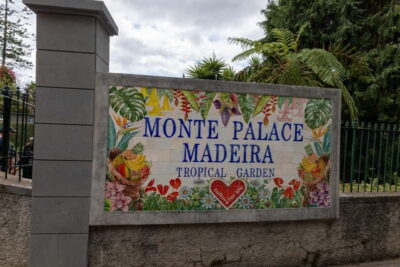 ★ 4.8Guided Tuk Tuk Tour to Toboggan Rides & Old TownFrom $88690 reviews
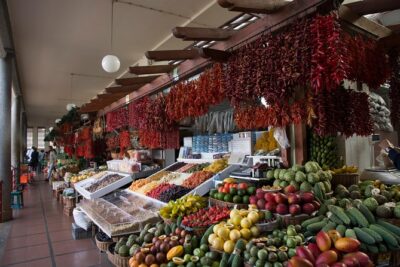 ★ 4.5Old Funchal Walking TourFrom $19511 reviews
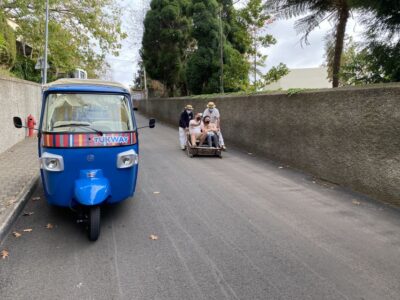 ★ 4.8Monte Tropical Garden & Toboggan Ride by Tuk TukFrom $129227 reviews
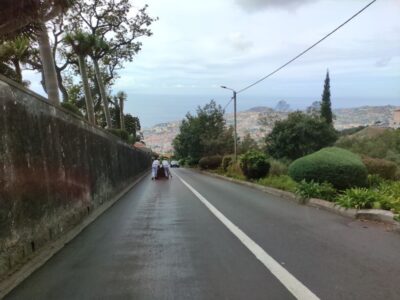 ★ 4.9Monte Toboggan and Old Town Tour by Tuk-TukFrom $47225 reviews
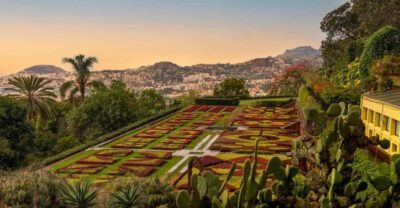 ★ 4.8Guided Old Town Tuk Tuk Tour and Botanical GardensFrom $50197 reviews
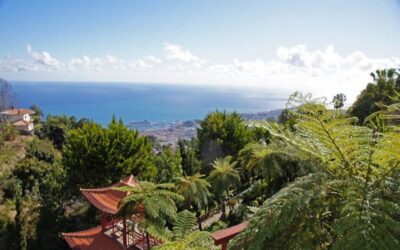 ★ 4.9Monte Palace Tropical Gardens Tuk Tuk TourFrom $58185 reviews
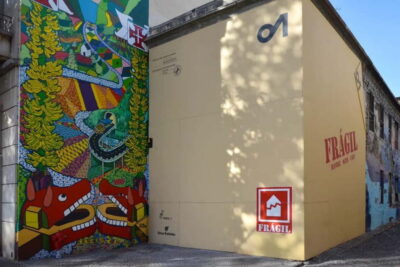 ★ 4.8Toboggan and Old Town Experience with TukwayFrom $94155 reviews
 ★ 4.82-Hour Tuk-Tuk Tour with Cable Car FinaleFrom $94118 reviews
Browse the lists this tour appears in