
Review · FUNCHAL FOOD & WINE TOURS
Hands-On Bolo do Caco Baking Class with a Madeiran Family
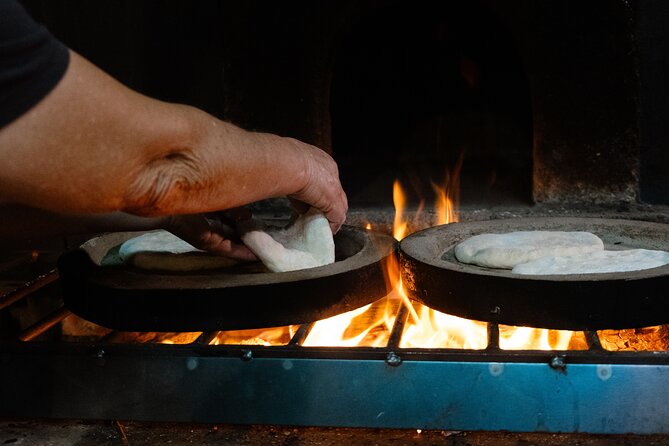
A warm kitchen lesson turns bread into a story. This hands-on bolo do caco class in Madeira has you learning the bread’s meaning on the island, then working the dough yourself with a family baker. You’ll also see the cook-and-smell part for real, since the bread bakes on a hot stone.
I especially love that it’s family-style, led by Tonia and her mother, who brings 40+ years of bread-making experience. And once your loaf is ready, you’ll sit down and eat it together with Madeiran favorites like garlic butter, Portuguese cheese, and chouriço.
One possible drawback: because it’s in a home kitchen and you’ll be hands-on, the pace is practical and a little messy. Wear comfortable clothes and expect flour and close-quarters kitchen time, not a formal, showroom experience.
In This Review
- Key things you’ll notice right away
- Madeira’s Bolo do Caco: why this bread matters
- Meet the family kitchen: Tonia, her aunt, and an expert mother
- The hands-on part: kneading and shaping by hand
- Hot-stone baking: the smell, the wait, and why it matters
- The meal you get afterward: garlic butter, Portuguese cheese, and chouriço
- Where to go, how long it takes, and what to bring
- Is it family-friendly? Kids, babies, and service animals
- Who should book this bolo do caco class (and who might prefer something else)
- Cancellation and timing (quick and practical)
- Should you book it?
- FAQ
- FAQ
- Where do I meet for the bolo do caco baking class?
- How long is the experience?
- Is the class offered in English?
- What is the group size?
- What will I do during the class?
- How is the bolo do caco cooked?
- What do I eat with the bread?
- What should I wear?
- Is there a free cancellation option?
Key things you’ll notice right away
- A tiny group (max 5 travelers), so you’ll get real attention while you shape the dough
- Guided by Tonia and her family, with bread know-how from her mother’s 40+ years of experience
- Hot-stone baking, which is a big part of why bolo do caco tastes the way it does
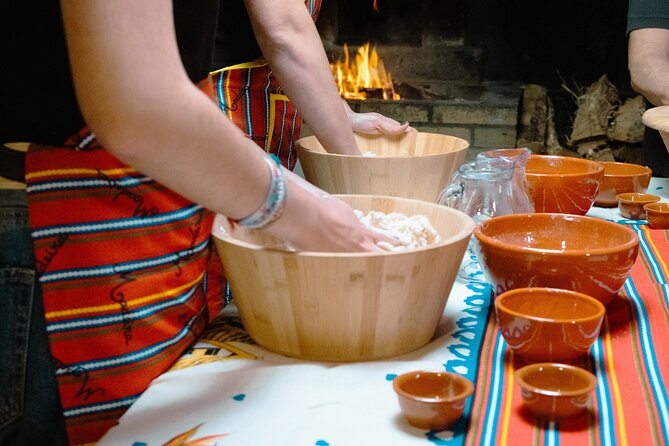
- You don’t just watch, you knead, shape by hand, and learn the process step-by-step
- A proper bread-and-snacks sit-down, with garlic butter, Portuguese cheese, and chouriço
More Madeiran plates, markets and tastings
- Taste Funchal: food, wine & cultural tour★ 5.0 · 906 reviews
- Taste Funchal: food, wine and cultural tour★ 4.8 · 680 reviews
- Madeira: Food and Wine Walking Tour in Funchal★ 4.8 · 469 reviews
- Madeira: Folk Dancing Show and Traditional Local Dinner★ 4.4 · 227 reviews
Madeira’s Bolo do Caco: why this bread matters
Bolo do caco is not “just bread.” It’s one of those Madeiran staples that shows up at gatherings, at tables, and in everyday life—so learning it in context is part of the payoff. In this class, you start with the bread’s history and cultural significance before your hands ever touch the dough.
That matters for two reasons. First, you understand what you’re making beyond a recipe card. Second, it helps you notice the small details while you work. When someone explains how the bread is traditionally made and why certain steps exist, you’re not guessing. You’re learning a local rhythm.
If you’ve tried bread elsewhere in Portugal, you might expect something similar. What you’ll take away here is that bolo do caco has a distinct island identity. The class setup makes that identity feel immediate, because you’re doing the work yourself in the same kind of kitchen atmosphere where it would be made at home.
Meet the family kitchen: Tonia, her aunt, and an expert mother
This experience is held in a family home, and the vibe is the point. You’re treated like a friend, not like a product moving through a checklist. That friendly tone shows up in the way the host guides you through each stage—patient, accommodating, and easygoing.
The key person for your bread-making instruction is Tonia’s mother, with over 40 years of bread-making expertise. That kind of experience doesn’t just mean she knows what to do. It usually means she can explain why your dough behaves the way it does—especially when you’re kneading it for the first time.
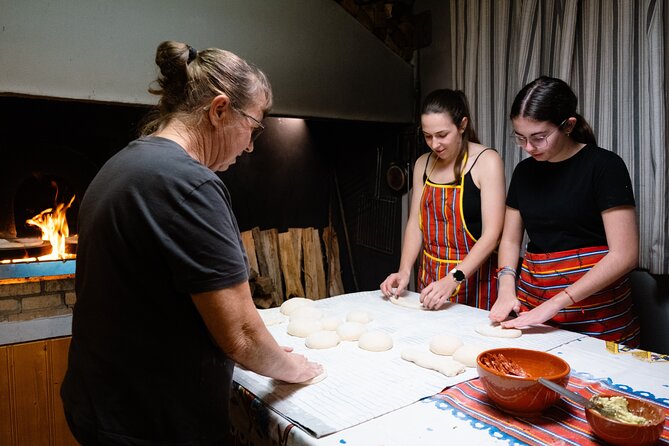
You’ll also spend time with Tonia and her aunt. The result is a warm, family-run feel where the lesson includes stories and laughter, not just technique. And since the group size maxes at 5 travelers, it doesn’t feel like you’re squeezing your hands into a crowded classroom.
The hands-on part: kneading and shaping by hand
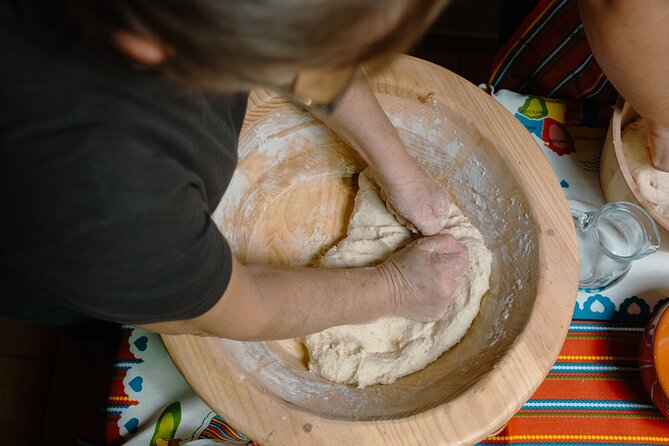
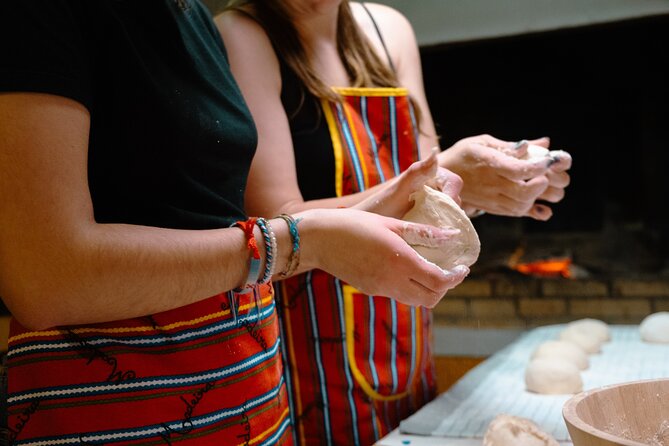
This is a true do-it-yourself class. You won’t spend three hours standing at a distance while someone else works. Instead, you roll up your sleeves and get involved right away.
Here’s what that means for you, practically:
- You’ll knead the dough, so you feel how it changes as it develops. That sensory part is where you learn faster than watching alone.
- You’ll shape the bread by hand. This is important because bolo do caco isn’t a “throw it in a mold and forget it” kind of bread. The form is part of the tradition.
If you’ve never kneaded dough before, don’t worry. The hosts guide you step-by-step. But do go into it with a flexible mindset. The first attempt might not look perfect, and that’s normal. The goal is to learn the method and understand what to adjust next.
Also, because it’s hands-on, plan to wear clothes that can handle a little chaos. Comfortable is the keyword. You’ll likely have flour on sleeves and maybe a few small splatters. This isn’t the time for your nicest outfit.
Hot-stone baking: the smell, the wait, and why it matters
Once your bread is shaped, it cooks on a hot stone. Watching it go from dough to bread is part science and part show. You’ll see how heat works in a way that’s different from a typical oven-only approach.
Why this matters to you: hot-stone baking affects the bread’s surface and overall feel. Even if you can’t name the exact chemistry, you’ll taste and smell the difference. And you’ll understand the process because you’re present while it happens, not receiving the finished product already plated.
In a home setup, the timing tends to be real. You’ll likely wait while the stone does its job, and you’ll feel that cozy kitchen momentum—people chatting, the bread baking, the air filling with warm, fresh notes. It’s one of those moments where your brain shifts from tourist mode to food mode.
Tip: keep your camera and questions ready, but follow the host’s rhythm. In a working kitchen, the lesson runs on safety and flow.



The meal you get afterward: garlic butter, Portuguese cheese, and chouriço
The class ends the way good food lessons should: you eat what you made, together. After the bread is ready, you gather around the table and enjoy it with Madeiran specialties.
From the information provided, the pairing includes:
- garlic butter
- Portuguese cheese
- chouriço
This matters more than it sounds. You’re not just tasting bread in isolation. You’re experiencing how bolo do caco plays a role in a typical Madeiran bite—creamy, savory, and a little smoky from the chouriço.
Practical note: if you have food preferences or restrictions, this kind of experience is still usually easiest when you speak up early. The format is intimate and family-run, so it’s often possible to adjust in small ways, but don’t assume. Ask what’s included and whether there’s any option that fits your needs.
And because you made the bread, you’ll notice things that you might miss if someone else served it. You’ll think about the kneading step when you take your first bite. You’ll remember the shaping moment when you see how the surface turned out.
Where to go, how long it takes, and what to bring
This class runs about 3 hours. The duration feels right for a hands-on session: enough time to learn, knead, shape, bake, and then sit down to eat without rushing.
You’ll meet at Travessa do Lombo do Alho, 9360, Portugal, and the activity ends back at the meeting point. So you can plan your day without guessing about long transfers.
You’ll also get a mobile ticket. That’s helpful if you’re juggling phone bookings on the go. Just make sure your phone is charged and the confirmation details are easy to find.
Language-wise, the experience is offered in English, which makes the history portion and the practical coaching easier to follow. And since it’s a maximum group size of 5 travelers, it won’t feel like you’re getting instructions through a wall of noise.
What to wear: comfortable clothes for getting hands-on. If you’re worried about slipping or dropping dough, wear shoes with good grip and avoid anything too tight around your sleeves.
Is it family-friendly? Kids, babies, and service animals
This isn’t just an adult cooking workshop. Kids and babies are welcome, with space for them to play without disrupting the flow. That’s a big deal in a hands-on home setting, because family-class experiences can get tense when there’s no room for little ones.
Service animals are allowed too, which helps if you travel with assistance needs.
The main consideration isn’t accessibility equipment. It’s the reality of a home kitchen. It’s close, hands-on, and active. If you’re traveling with small kids, you’ll still want to bring patience and expect that you might have flour on your own sleeves at some point.
Who should book this bolo do caco class (and who might prefer something else)
This experience is a strong match if you want:
- a small-group food lesson rather than a big-group show
- hands-on cooking in a real kitchen
- a warm, local family atmosphere with stories and laughter
- to eat something you helped create, with Madeiran pairings
It’s also a good choice for families, since kids and babies are welcome and there’s space to play without constant disruption.
You might think twice if you:
- don’t like hands-on activities or prefer strictly viewing
- want a purely sightseeing-focused outing (this is kitchen-centered)
- need a very spacious, formal environment with minimal mess
Cancellation and timing (quick and practical)
Cancellation is free up to 24 hours in advance for a full refund. If you cancel less than 24 hours before the start time, the amount you paid is not refunded. Changes within 24 hours can’t be accepted. Times are based on the local time in Madeira.
Should you book it?
Yes, if you want authentic Madeiran food that comes with technique, context, and a family table experience. The big value here is that you’re not just tasting bolo do caco—you’re learning it from people who make it and guiding you through the process yourself. With a max of 5 people and instruction in English, it’s likely to feel personal instead of rushed.
Book it especially if you’re the type who likes getting your hands involved, even a little. You’ll leave with more than full stomachs. You’ll have a clear memory of how dough transforms, how hot-stone baking smells, and how Madeiran pairings bring the whole bread experience together.
FAQ
FAQ
Where do I meet for the bolo do caco baking class?
You’ll start at Travessa do Lombo do Alho, 9360, Portugal. The activity ends back at the same meeting point.
How long is the experience?
It’s approximately 3 hours.
Is the class offered in English?
Yes, the experience is offered in English.
What is the group size?
The class has a maximum of 5 travelers.
What will I do during the class?
You’ll learn about the history and cultural significance of bolo do caco, then you’ll knead the dough and shape the bread by hand.
How is the bolo do caco cooked?
The bread cooks on a hot stone.
What do I eat with the bread?
You’ll enjoy the bread with garlic butter, Portuguese cheese, and chouriço.
What should I wear?
Wear comfortable clothes since you’ll be hands-on during the baking process.
Is there a free cancellation option?
Yes. You can cancel for a full refund up to 24 hours in advance of the experience start time. If you cancel within 24 hours, you won’t receive a refund.
More Tour Reviews in Madeira
- From Funchal: Ecological Catamaran Dolphin Whale Watching
★ 4.5 · 8,204 reviews - Madeira: Skywalk, Porto Moniz, Seixal, and Fanal 4WD Tour
★ 4.9 · 7,905 reviews - Funchal: Dolphin and Whale Watching Catamaran Cruise
★ 4.5 · 5,697 reviews - Funchal: Enchanted Terraces, Porto do Moniz & Fanal 4WD Tour
★ 4.8 · 4,930 reviews - From Funchal: Best of Madeira’s West Tour
★ 4.7 · 3,463 reviews
Funchal, One Plate at a Time
- Taste Funchal: food, wine & cultural tour
★ 5.0 · 906 reviews - Taste Funchal: food, wine and cultural tour
★ 4.8 · 680 reviews - Madeira: Food and Wine Walking Tour in Funchal
★ 4.8 · 469 reviews - Madeira: Folk Dancing Show and Traditional Local Dinner
★ 4.4 · 227 reviews - Eating Madeira! Wine & Food Tour in Funchal
★ 5.0 · 214 reviews
Just In: New Madeira Reviews



Funchal Food & Wine Tours, compared.
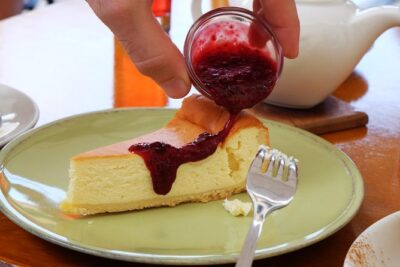 ★ 5.0Taste Funchal: food, wine & cultural tourFrom $112906 reviews
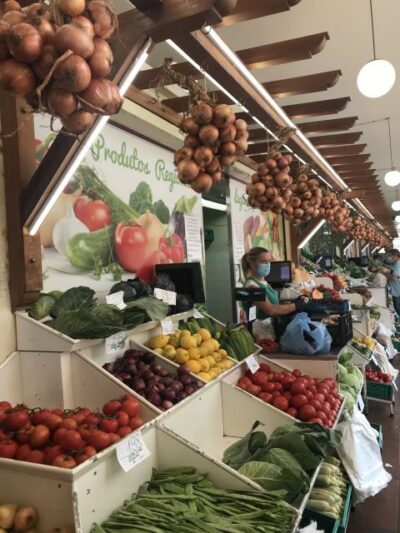 ★ 4.8Taste Funchal: food, wine and cultural tourFrom $109680 reviews
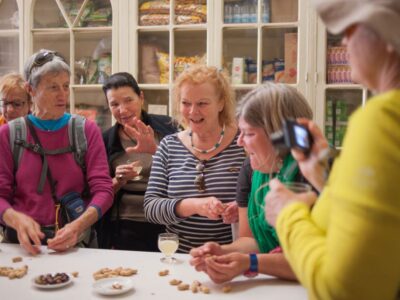 ★ 4.8Food and Wine Walking Tour in FunchalFrom $111469 reviews
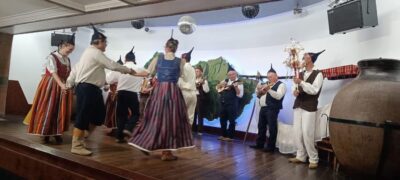 ★ 4.4Folk Dancing Show and Traditional Local DinnerFrom $53227 reviews
 ★ 5.0Eating Madeira! Wine & Food Tour in FunchalFrom $114214 reviews
 ★ 5.0Signature Wine Tastings, Skywalk, Nature 4×4 Open Roof ExpeditionFrom $107189 reviews
 ★ 4.8Sunset Dinner CruiseFrom $76165 reviews
 ★ 4.5Wine & Tapas, Cabo Girão Skywalk 4×4 Jeep AdventureFrom $59132 reviews
Browse the lists this tour appears in