
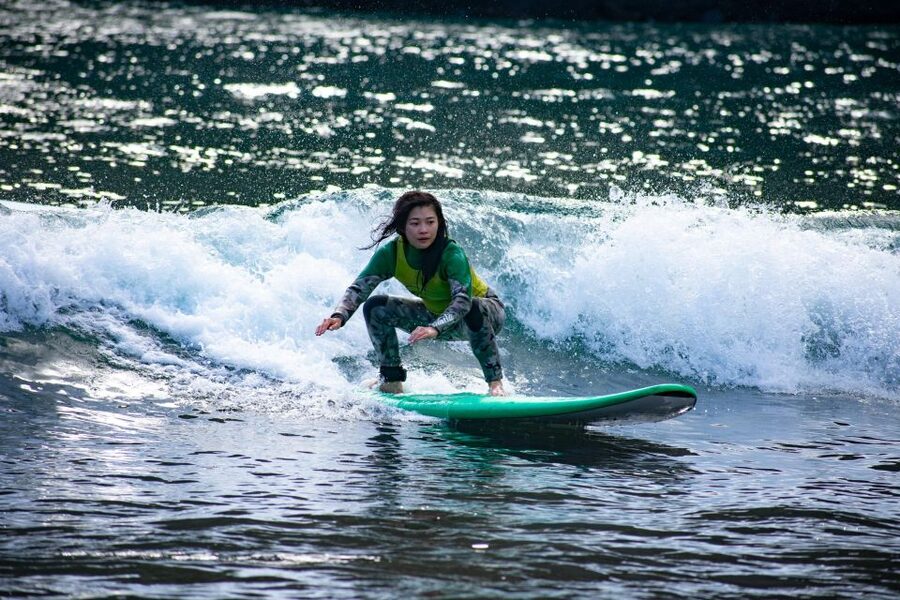
Review · MADEIRA SURF LESSONS
Madeira : Surfing Experience for all
A good wave lesson in Madeira is worth planning for. This surf experience is built around getting you standing and surfing, with classes that run from Seixal (black sand) or São Vicente (Baía dos juncos). I like that the coaching is organized to maximize actual time on your board, not just ocean hanging-out. I also like the focus on less-crowded spots up on Madeira’s north coast. The main catch is that tides and conditions steer both timing and where you meet.
What you get for the money is straightforward: gear, wetsuit comfort, and instruction that aims at progress in 1.5 hours. You’ll also get practical guidance on surf-spot behavior and land drills that make the water part easier. One consideration: if the sea is not cooperating on the day, you may ride fewer waves than you hope, even with good instruction.
If you’re new to surfing, or returning after a break, this format makes sense. You get expert support, plus the option of private or small-group lessons so you’re not stuck in a huge class that moves at the slowest pace.
In This Review
- Key things that make this Madeira surf lesson click
- Madeira’s north-coast surf lesson: why this area fits “for all”
- Seixal black-sand vs São Vicente Baía dos juncos: choosing your meeting point
- How 1.5 hours is paced: what you’ll do in the water and on land
- Ocean time: learn, try, get coached, repeat
- Land practice: making the water part easier
- What “progress” usually looks like
- Lesson types that match your group: private, small group, family, couple
- Gear included: why the softboard and wetsuit make your learning curve easier
- Safety and surf-spot advice: the part that keeps you confident
- What the price of $76 really covers (and why it’s fair for 1.5 hours)
- Timing changes: tides, forecast, and why you should plan with flexibility
- What to expect as a first-timer (and what can affect wave count)
- Who should book this surf lesson in Madeira?
- Should you book Madeira Surfing Experience for all?
- FAQ
- Where do the surf lessons meet?
- How long is the surf lesson?
- What’s included in the price?
- What should I bring?
- Can I bring alcohol or drugs?
- Do the instructors speak English or Portuguese?
- Will the meeting point and time always be the same?
- Can I cancel or pay later?
Key things that make this Madeira surf lesson click
- Seixal or São Vicente locations: meeting points shift to match tides and forecast.
- Built for standing up: the lesson is structured so you spend more time surfing.
- All gear included: wetsuit, softboard, leash, wax, fins, and rash guard.
- Safety and surf-spot know-how: you learn ocean protocols and how the spot works.
- Multiple lesson styles: private, semi-private, family, couple, or small groups.
- Instructors speaking English and Portuguese: clear communication matters in surf learning.
Catch a few more on the north-coast breaks
- Madeira: Surf Lessons for All Levels★ 4.8 · 191 reviews
- Surfing Lessons in Madeira★ 5.0 · 168 reviews
- Madeira Surfing Lessons – Aroundfreedom Surf School★ 5.0 · 104 reviews
- Madeira: surf lesson at Porto da Cruz★ 4.8 · 67 reviews
Madeira’s north-coast surf lesson: why this area fits “for all”
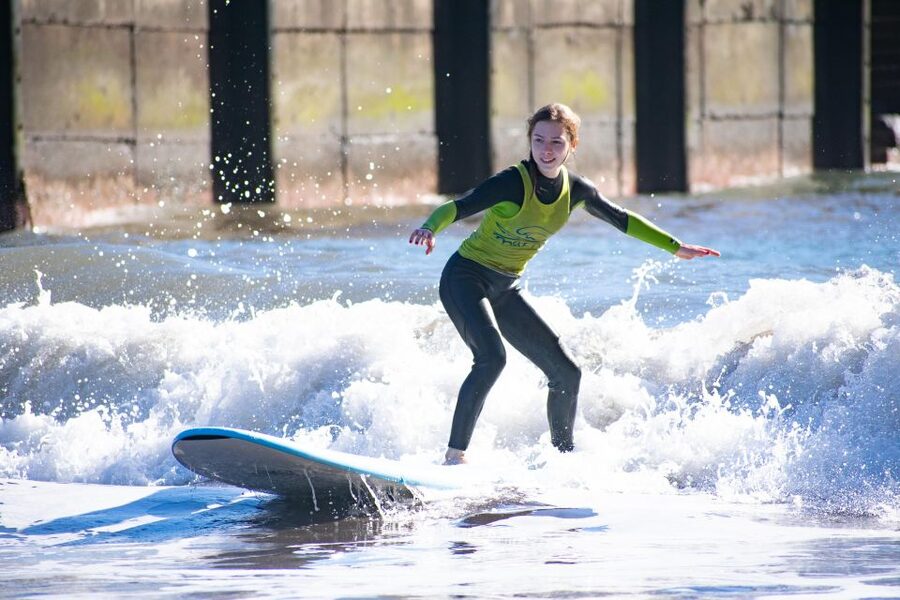
Surf in Madeira is not a one-size-fits-all experience. The island’s coastline changes fast, and so do the waves. That’s why lessons like this one focus on the north side, where you can often find conditions that work well for learning. The goal is simple: you want a spot that lets beginners try, fail fast, then try again.
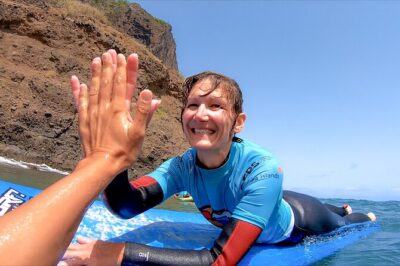
I also like that the experience is framed as for all, not just confident athletes. In practice, that usually means the instruction adapts to your level. Beginners need clear basics, but they also need encouragement. More experienced riders need feedback that is about control and technique, not hand-waving.
Another smart part: the lesson is short at 1.5 hours, but it’s designed to be high-use time. If you’ve ever done a half-day “activity” where most of it is waiting, this format is more your speed. You come for waves, and the schedule is built around that.
Seixal black-sand vs São Vicente Baía dos juncos: choosing your meeting point
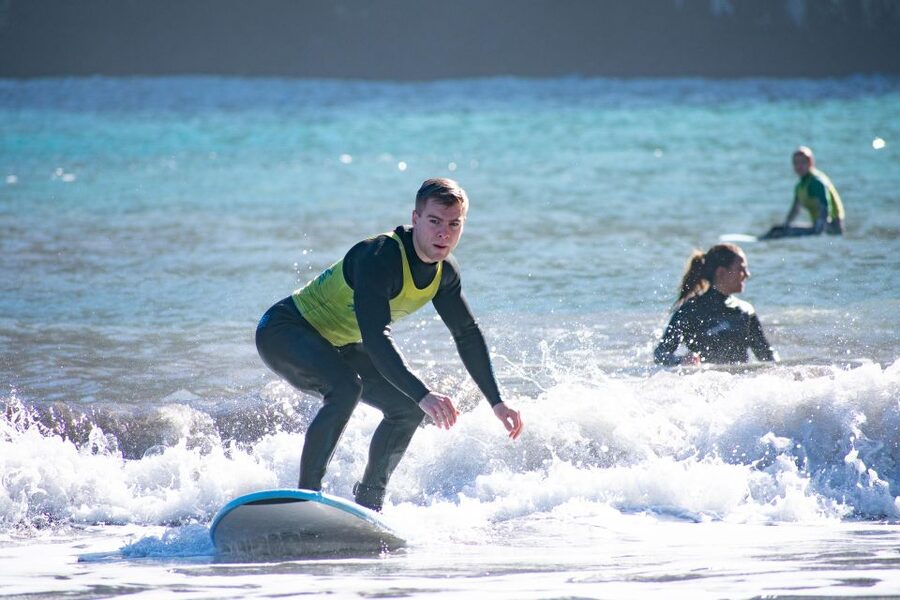
You won’t always meet at the same exact beach. The plan uses two main locations on Madeira’s north coast:
- Seixal (black sand beach): typically timed for mid tide
- São Vicente, Baía dos juncos: typically timed for low tide
Why this matters: surf learning depends on wave shape, water depth, and how the shore breaks. If the tide is wrong, the waves can get too steep, too weak, or just plain unpredictable for a beginner trying to stand up. Matching the tide helps instructors keep the session productive.
There’s one more practical reality: your booking time and meeting point can change based on the tide and surf forecast. The lesson provider explicitly notes this, and it’s not a trick. In surf days, conditions lead and calendars follow.
If you want to stay stress-free, do what the experience suggests and confirm via WhatsApp with Ruben. That quick message usually saves you from arriving at the wrong place at the wrong time. (And yes, it’s worth it. In surf, the “wrong” can mean cold, confused, and waiting.)
How 1.5 hours is paced: what you’ll do in the water and on land
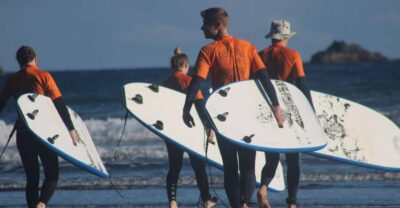
This isn’t a long surf trip. It’s a focused session designed to squeeze real progress out of limited time. The lesson includes both ocean coaching and land practice, with a strong emphasis on actually surfing rather than just swimming around.
Here’s what the structure aims to do:
Ocean time: learn, try, get coached, repeat
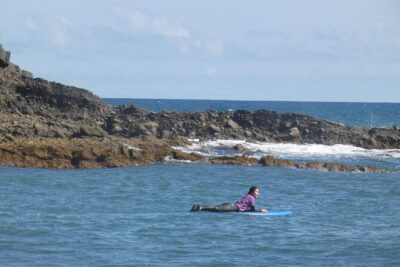
Your instructor guides you on surf-spot dynamics and ocean safety, then works with you as you attempt to catch waves and stand. The approach is built around feedback that you can apply immediately. That’s huge for first-timers, because the difference between a wipeout and a controlled ride is often one small adjustment.



Land practice: making the water part easier
You also get land practice techniques. This is the part that feels a little “on land,” but it pays off. When you’ve rehearsed the basics—balance, board position, and what to do at key moments—your body doesn’t panic once you’re in the water.
What “progress” usually looks like
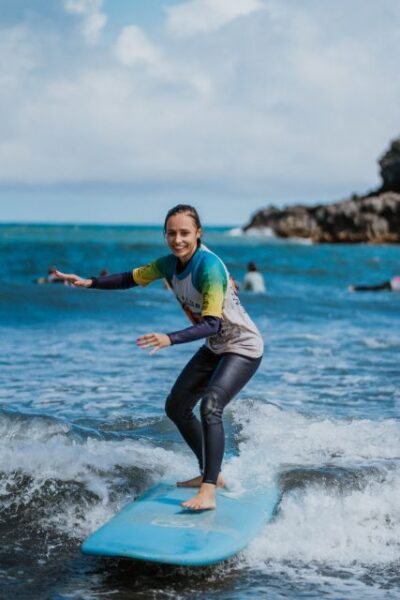
Even in a short session, you can expect tangible learning: how to handle the board, how to time the wave, how to use the leash safely, and how to respond to what the ocean is doing. It’s not about performing tricks. It’s about getting the basics right enough to ride.
A useful detail from the experience description is the promise to pack as much fun and value into each minute. They’re aiming for a lesson where you’re catching waves and standing, not just hanging out near the shore.
Lesson types that match your group: private, small group, family, couple
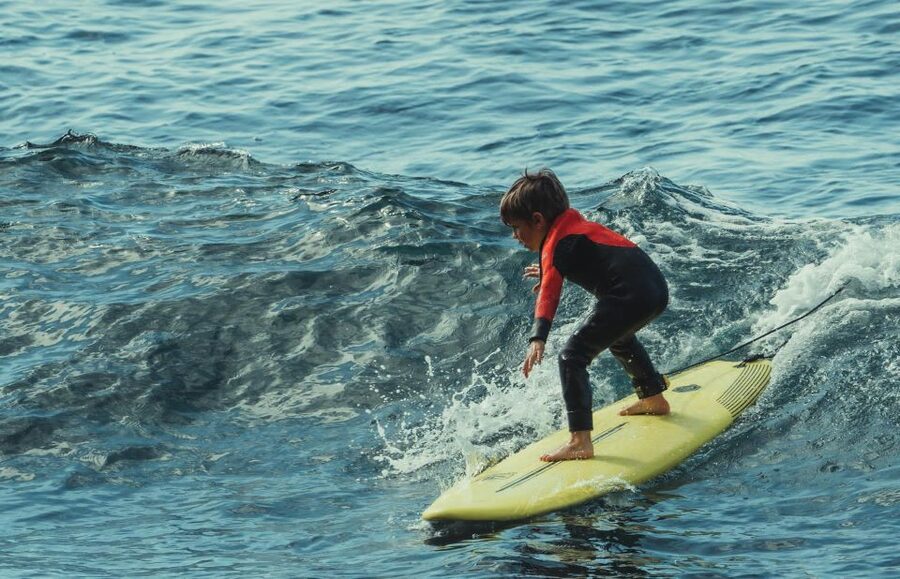
You can choose the style of class based on how you want the experience to feel. The main options are:
- Private instruction (personalized)
- Small groups (more hands-on than large classes)
- Semi-private setups
- Family lessons
- Couple’s sessions
In my view, the best choice depends on how nervous you feel about learning. If you want one-on-one attention and a faster feedback loop, private is the cleanest path. If you’re comfortable sharing instruction time and want a bit of social energy, small groups are a good balance.
Family and couple formats are also smart because surfers often learn better when the session feels supportive and familiar. You get structure and coaching, but the vibe stays friendly.
The sessions are run by instructors who teach in English and Portuguese, which matters more than people think. Surf is technical, and it’s hard to learn when the instructions are unclear.
Gear included: why the softboard and wetsuit make your learning curve easier
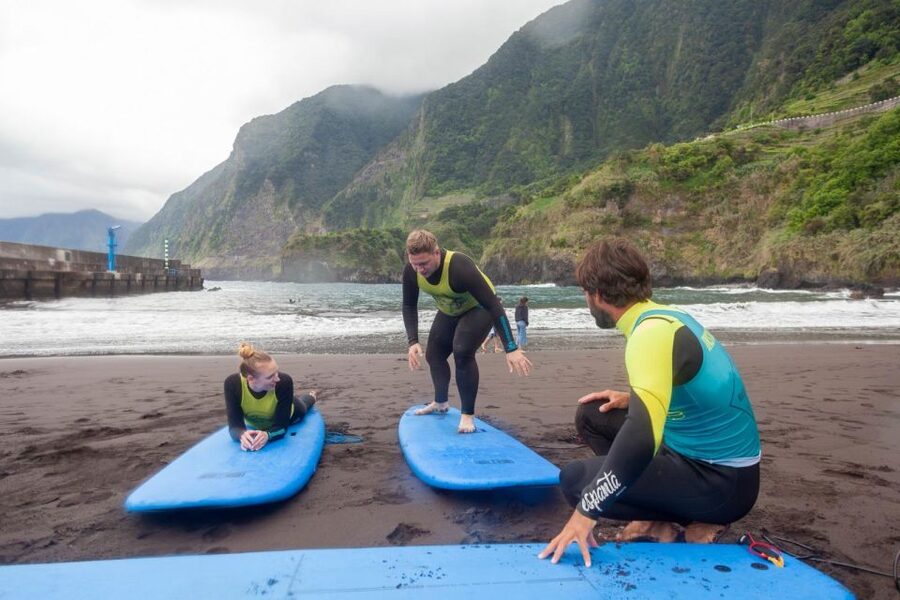
This is one of the most practical parts of the experience. You don’t need to hunt down a rental shop. You get the full setup:
- Wetsuit (warmth and comfort)
- Softboard (easier for beginners to handle)
- Leash (safety)
- Wax (grip)
- Fins (help with control)
- Rash guard (extra protection)
- Insurance (peace of mind)
Value-wise, gear is where many surf lessons quietly lose money. Here, you’re not paying extra for the basics. A softboard specifically helps beginners because it’s more forgiving and typically easier to paddle and balance on. Add a wetsuit and rash guard, and you’re more likely to stay comfortable long enough to learn properly.
Also, the inclusion of wax, fins, leash, and safety guidance suggests they’re trying to remove friction from your first session. In surfing, friction leads to lost time, and lost time leads to fewer rides.
What to bring is equally simple: swimwear, a towel, and sunscreen. That’s it. No fancy clothing requirements.
Safety and surf-spot advice: the part that keeps you confident
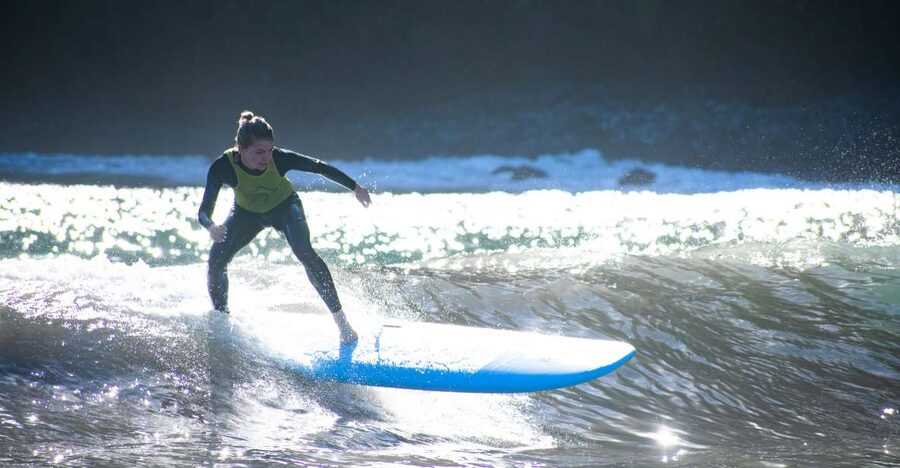
A great beginner lesson doesn’t just teach how to stand. It teaches how to behave around waves.
This experience includes explanations about the surf spot, plus ocean safety protocols and land practice. The spot explanation matters because every break has its own rules: where to enter, where to paddle, how waves behave relative to the shore, and what to watch for.
The safety protocols matter because surfing involves more than you-on-a-board. You’ll be near other people, moving with the sea, and working with currents and wave timing. A structured safety talk before you get in is what makes the session feel safe enough to focus on learning.
One small clue about instructor quality: the course includes clear guidance and encourages you throughout the lesson. That’s the vibe you want when you’re learning something hard. It reduces the mental noise so you can focus on the technique.
What the price of $76 really covers (and why it’s fair for 1.5 hours)
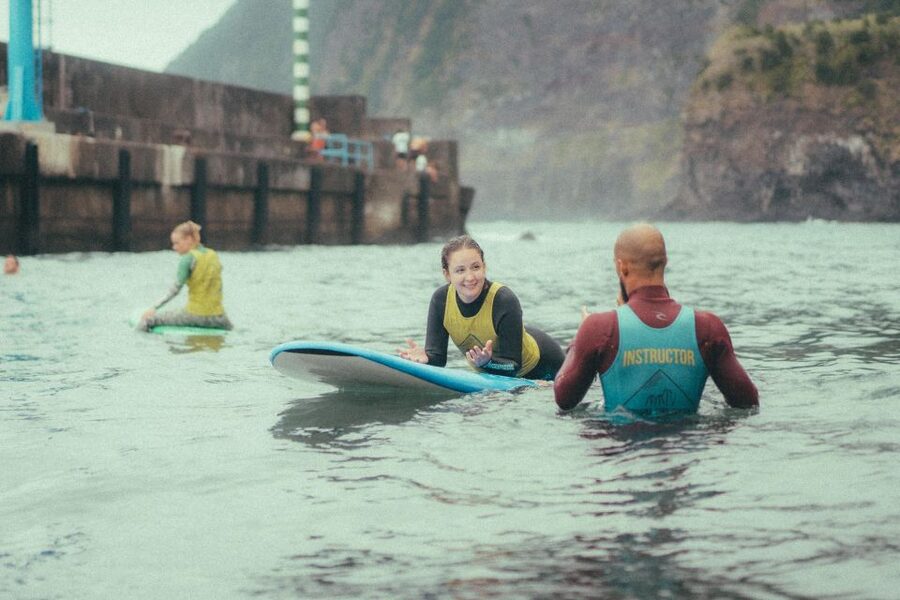
$76 for a 1.5-hour lesson sounds like a number until you break down what’s included. This session covers not only coaching, but also the complete surf setup: wetsuit, softboard, leash, wax, fins, rash guard, and insurance. Add to that surf-spot explanation, ocean safety guidance, and land practice techniques.
So the price isn’t just “time with an instructor.” You’re paying for the system that makes it possible for you to spend that 1.5 hours efficiently. In surf learning, efficiency is everything. The whole point is to help you catch waves and stand up, so you leave feeling like you gained something real.
Also, the provider mentions that spots in the north are often uncrowded. If that holds on your day, it can drastically improve your learning because you aren’t stuck waiting for space.
Could it be cheaper elsewhere? Maybe. But if you want a lesson that reduces hassle and maximizes actual wave attempts, this price looks reasonable.
Timing changes: tides, forecast, and why you should plan with flexibility
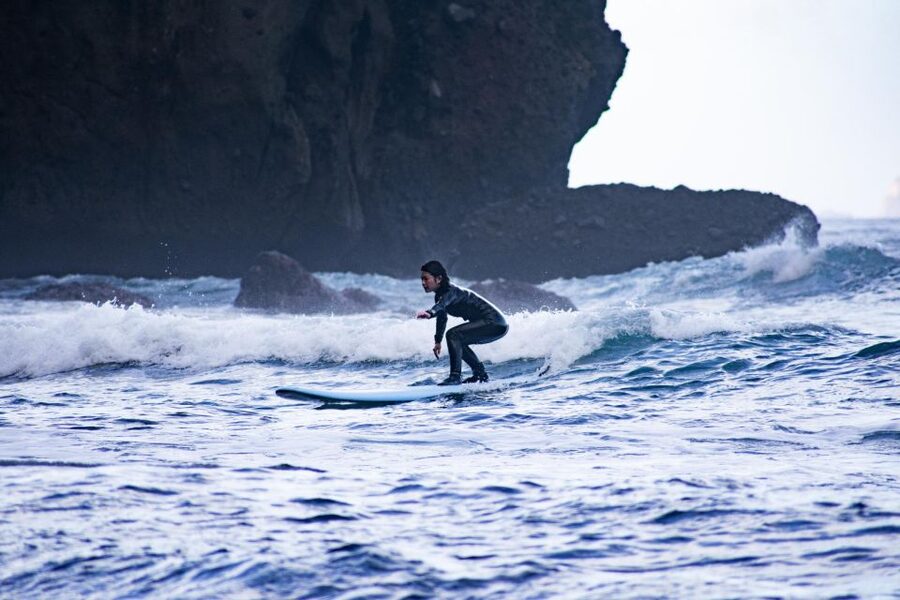
Here’s the most important logistics reality: the surf lesson time slots you see in advance are informational. The starting time is ultimately defined by the Madeira surf center based on tide and weather.
They also note that if your schedule is tight, the meeting point and time may shift. That’s not a bonus. It’s just how surf works.
My practical advice is to keep your day breathable. Don’t stack other activities immediately after. Arrive early once you’ve confirmed by WhatsApp with Ruben.
And if you’re booking from a hotel or rental, give yourself a little time to drive or walk to the correct meeting beach. In Madeira, small timing mistakes can add up fast.
What to expect as a first-timer (and what can affect wave count)
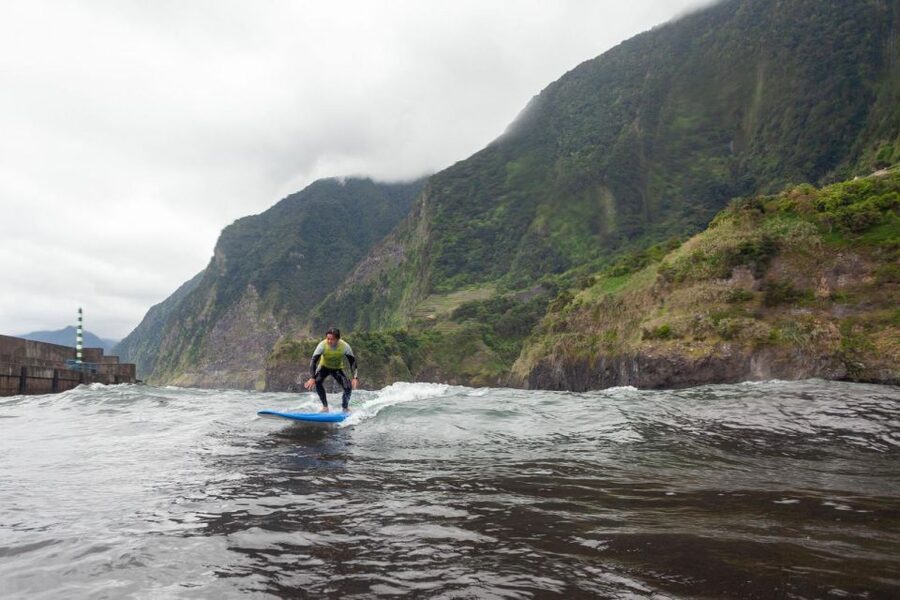
If it’s your first time surfing, you can reasonably expect learning the basics quickly: how to handle the board, how to paddle, how to react to wave timing, and how to stand with support from the instructor’s feedback.
You might also get at least a few chances to ride, depending on conditions. One detail that shows up strongly in how people describe the experience is that the coaching is clear. That’s what you need early on.
Now for the honest part: wave quality isn’t guaranteed. Even with great instructors and a good spot, the sea can change minute to minute. One person noted that the waves weren’t perfect that day. That’s normal. Surf days vary.
So you’re not buying a promise of endless rides. You’re buying structured coaching in a likely-learning-friendly zone. You should come ready to work with what you get.
Who should book this surf lesson in Madeira?
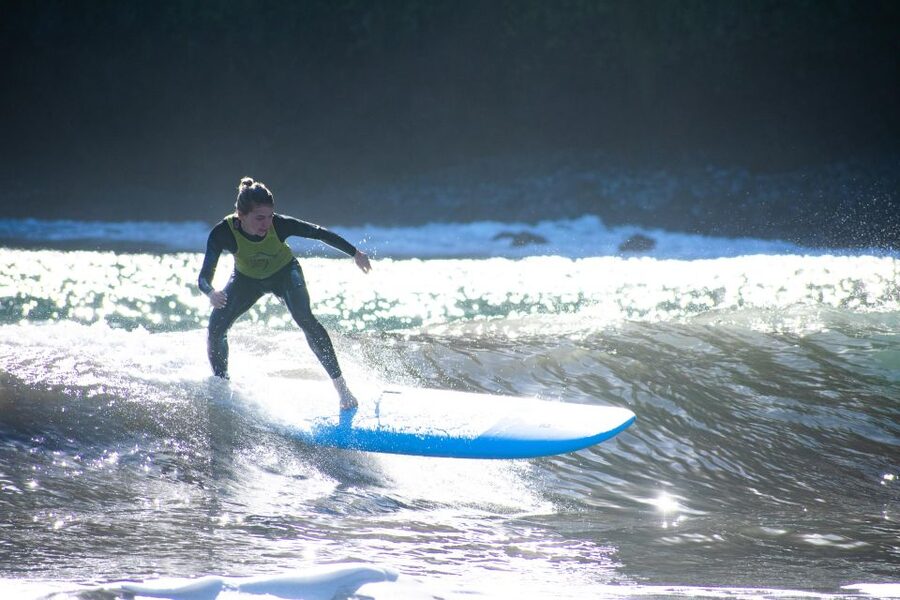
This is a strong choice if you:
- Are a beginner and want clear coaching that targets standing up
- Want a short, high-value session instead of a long surf day
- Prefer less crowded north-coast spots
- Like the idea of private or small-group instruction
- Need a lesson that includes gear and safety support without extra rentals
It might not be ideal if you:
- Have zero flexibility for schedule changes due to tide and weather
- Expect guaranteed wave conditions every single session
- Are planning a very tight itinerary with no buffer time
Should you book Madeira Surfing Experience for all?
Yes, I’d book it if your goal is learning and having fun fast. The biggest reasons are the practical ones: gear included, coaching designed around standing and catching waves, and instruction that covers safety and spot behavior. The Seixal and São Vicente setup also makes sense because tides matter in surf, and the lesson follows the reality of the ocean.
Before you go, do two things. First, bring only what’s asked: swimwear, towel, sunscreen. Second, message Ruben on WhatsApp to confirm where and when you meet. That one step will keep your day smooth.
If you can go with flexible expectations and focus on learning, this is the kind of Madeira activity that actually gives you a story, not just a photo.
FAQ
Where do the surf lessons meet?
The lesson can meet at Seixal, at the black sand beach, or at São Vicente, at the Baía dos juncos surf spot.
How long is the surf lesson?
The duration is 1.5 hours.
What’s included in the price?
You get a wetsuit, softboard, leash, wax, fins, rash guard, insurance, plus explanation of the surf spot and ocean safety and land practice guidance.
What should I bring?
Bring swimwear, a towel, and sunscreen.
Can I bring alcohol or drugs?
No. Alcohol and drugs are not allowed.
Do the instructors speak English or Portuguese?
Yes, the instructor speaks English and Portuguese.
Will the meeting point and time always be the same?
No. The schedule can change based on tide and weather conditions. The time slots shown are for information only, and the provider defines the actual start time.
Can I cancel or pay later?
You can cancel up to 24 hours in advance for a full refund. You can also use reserve now & pay later.
More Tour Reviews in Madeira
- From Funchal: Ecological Catamaran Dolphin Whale Watching
★ 4.5 · 8,204 reviews - Madeira: Skywalk, Porto Moniz, Seixal, and Fanal 4WD Tour
★ 4.9 · 7,905 reviews - Funchal: Dolphin and Whale Watching Catamaran Cruise
★ 4.5 · 5,697 reviews - Funchal: Enchanted Terraces, Porto do Moniz & Fanal 4WD Tour
★ 4.8 · 4,930 reviews - From Funchal: Best of Madeira’s West Tour
★ 4.7 · 3,463 reviews
More Surf Lessons in the Swell
- Funchal: Madeira Island Group Surf Lesson
★ 4.7 · 282 reviews - Madeira: Surf Lessons for All Levels
★ 4.8 · 191 reviews - Surfing Lessons in Madeira
★ 5.0 · 168 reviews - Madeira Surfing Lessons – Aroundfreedom Surf School
★ 5.0 · 104 reviews - Madeira: surf lesson at Porto da Cruz
★ 4.8 · 67 reviews
Just In: New Madeira Reviews




Madeira Surf Lessons, compared.
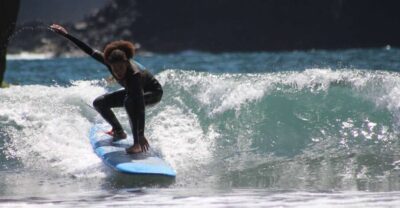 ★ 4.7Madeira Island Group Surf LessonFrom $100282 reviews
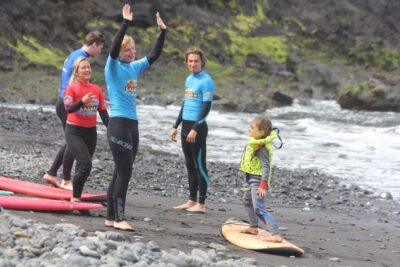 ★ 4.8Surf Lessons for All LevelsFrom $82191 reviews
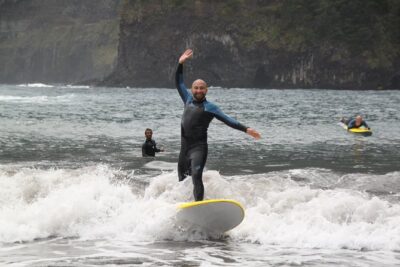 ★ 5.0Surfing Lessons in Madeira168 reviews
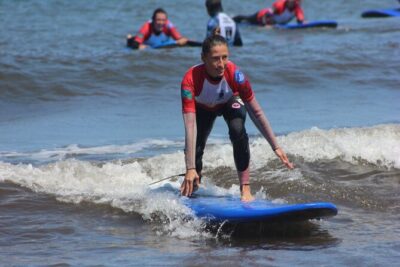 ★ 5.0Madeira Surfing Lessons – Aroundfreedom Surf SchoolFrom $72104 reviews
 ★ 4.8surf lesson at Porto da CruzFrom $7667 reviews
 ★ 4.8Surf lesson in MadeiraFrom $8855 reviews
 ★ 5.0Madeira Surf Classes in PortugalFrom $8425 reviews
 ★ 5.0Surf Lessons Tailored to Your Skill Level in MadeiraFrom $7218 reviews
Browse the lists this tour appears in