
Review · FUNCHAL FOOD & WINE TOURS
Funchal: Guided Walking Tour with Tastings
Food walks in Funchal make history tasteable. I love the small-group pace and the stop at the Fábrica de Santo António, where you sample Madeira sweets still made in the same place. One heads-up: this is a tasting tour, not a full meal, so you’ll want to plan your day so you’re not starving before it ends.
This guided route strings together the city’s most important landmarks with palate-friendly breaks, from the church’s imprint on the island to the trade routes that helped shape Madeira. The value is strongest if you like your sightseeing with bite-sized stories and you’re comfortable walking through Funchal’s older lanes for about three hours.
In This Review
- Key Takeaways Before You Go
- Starting at Colégio dos Jesuítas do Funchal: the route’s smart first step
- Funchal City Hall and the clues of a 15th-century urban core
- Inside a working sweet factory: Fábrica de Santo António tastings that hit right
- Farmers’ Market architecture + tropical fruit samples you can recognize
- Rua de Santa Maria, Admiral’s Garden, and old fortress ruins
- Columbus Square and the Age of Discovery stories linked to sugar
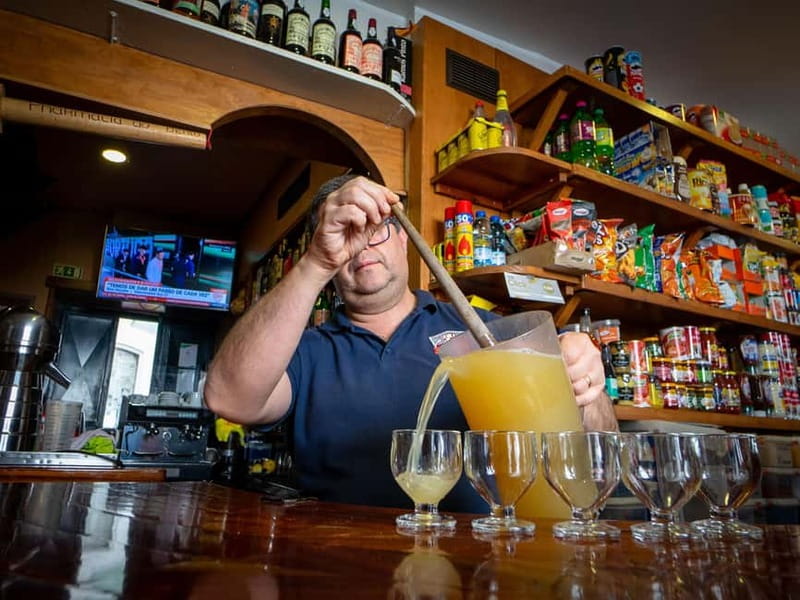
- Poncha and dentinho at a traditional grocery-tavern
- Legislative Assembly and Cathedral of Funchal: faith, power, and place
- Chocolate, coffee, and the University of Madeira wine finish
- Price and value: what $57 buys you in real time
- Who this tour suits best (and who should skip it)
- Quick practical tips for a smoother 3-hour walk
- Should You Book This Funchal Walking Tour?
- FAQ
- Where does the tour meet?
- How long is the tour?
- Is the tour in English?
- How big is the group?
- What kinds of food and drinks are included?
- Is this tour a full meal?
- Is the tour wheelchair accessible?
- Are children allowed?
- Are large bags or luggage allowed?
- What’s the cancellation policy?
- Can I reserve now and pay later?
Key Takeaways Before You Go
- Funchal City Hall + old-town lanes give you an easy, guided way to understand how the city formed and grew.
- Fábrica de Santo António is a rare hands-on stop where you taste bolo de mel and biscuits from a working 19th-century sweet factory.
- Farmers’ Market tastings pair fruit sampling with architecture from the Estado Novo period.
- Poncha and dentinho are the social side of the island—one quick stop that feels very local.
- Madeira Wine + cake at the end ties the food back to the island’s trading and drinking culture.
More Madeiran plates, markets and tastings
- Signature Wine Tastings, Skywalk, Nature 4×4 Open Roof Expedition★ 5.0 · 189 reviews
- Madeira: Wine & Tapas, Cabo Girão Skywalk 4×4 Jeep Adventure★ 4.5 · 132 reviews
- Between Sweet Traditions: pastel de nata workshop in Madeira★ 4.7 · 34 reviews
- Funchal: Guided Walking Tour with Tastings★ 4.8 · 28 reviews
Starting at Colégio dos Jesuítas do Funchal: the route’s smart first step
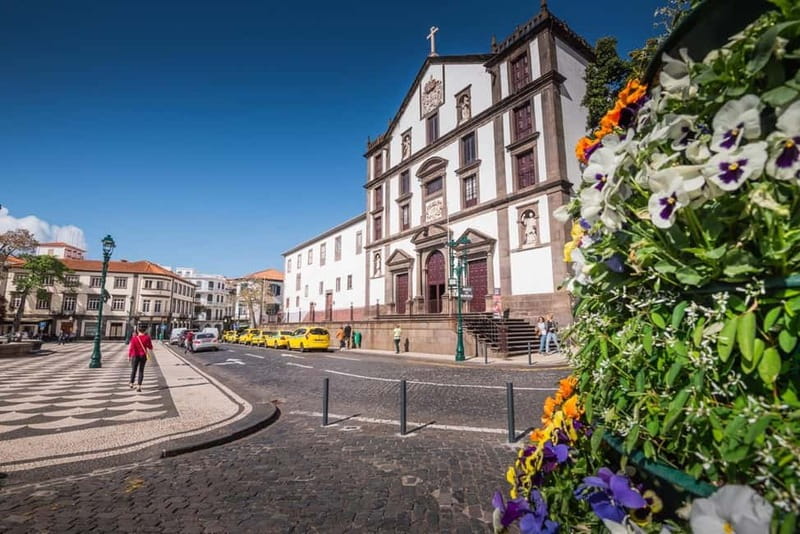
The tour begins at the Colégio dos Jesuítas do Funchal, at the University of Madeira rectory area in central Funchal, next to D’Oliveiras Madeira Wine on Rua dos Ferreiros. It’s a good start because you’re not scrambling across town right when you arrive—you can orient yourself quickly in the city center.
Look for the glass doors and the University of Madeira signage at the entrance on the street beside the Jesuits’ Church. You’ll want to arrive about 10 minutes early so you’re ready when the group sets off, especially since the tour is limited to just 8 participants.
The tone from the first moments is practical: you’re on foot, you’ll stop often to eat and drink, and the guide uses the sights to explain why Funchal looks the way it does. If you enjoy tours where the story sticks because you can connect it to what you’re tasting, this format works.
Funchal City Hall and the clues of a 15th-century urban core
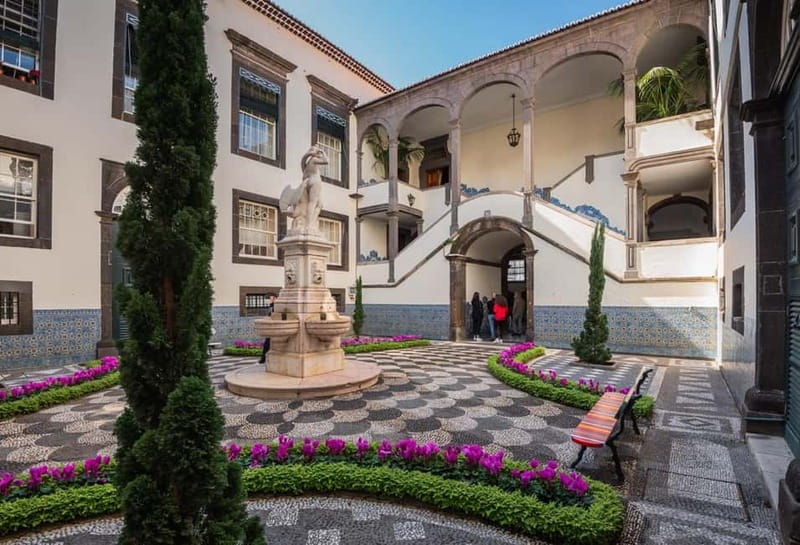
One of the first stops is inside the Funchal City Hall area, with time for a photo stop. You get a look at a lesser-known internal space tied to how the city’s urban center took shape from the 15th century onward.
Why this matters: Funchal’s layout isn’t random. When you learn what formed the city and when, you start to notice patterns as you move—how certain districts became important, where movement and commerce likely concentrated, and how later eras left their marks.
This isn’t a long museum-style stop. It’s more like a guided orientation that helps you read the city as you walk. You’ll likely come away with a better sense of where you are in Funchal, not just a list of places you passed.
Inside a working sweet factory: Fábrica de Santo António tastings that hit right
Then comes one of the best parts: a visit to Fábrica de Santo António, a 19th-century sweet factory that’s still operating in its original location. This is where the tour becomes truly food-first in the best way.
You’ll sample traditional bolo de mel and regional biscuits prepared using long-standing recipes. The tasting isn’t just about sweetness—it helps explain the local economy and culture around sugar and preserved flavors. Madeira has always had to be clever with ingredients, trade, and shelf life, and that shows in what ends up on your plate.
Practical tip: keep an eye on portion sizes. You won’t get one huge serving—you’ll get multiple small tastings across the walk. That’s usually ideal, but if you’re someone who hates waiting between bites, balance your expectations and enjoy each stop as it comes.
Farmers’ Market architecture + tropical fruit samples you can recognize
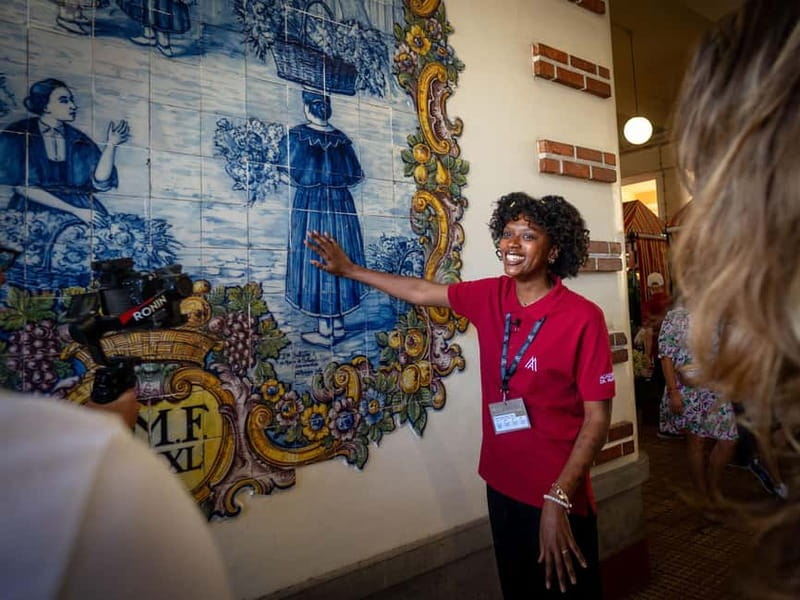
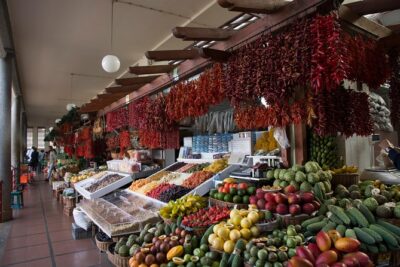
At the Farmers’ Market, you’ll get more than a food break. You also explore architectural heritage connected to the Estado Novo period, which gives you a sense of how the city planned and modernized market spaces.
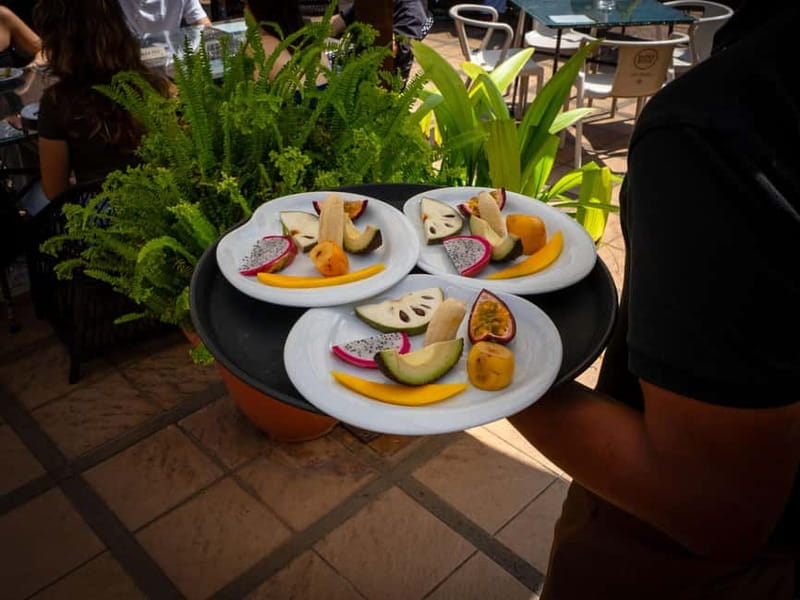
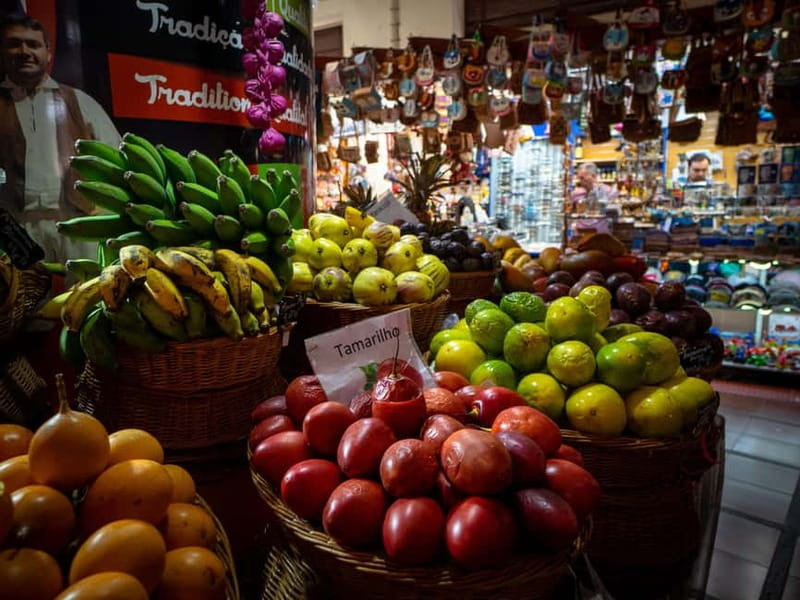
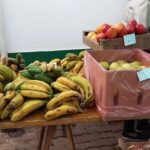
Then you taste several varieties of tropical fruit. This is an important contrast to the heavier Madeiran sweets you’ll have earlier. The fruit tastings help reset your palate and connect Madeira to its trading relationships—fruit wasn’t just grown locally; Madeira’s role as a port and stop shaped what could be enjoyed.
One small consideration: since fruit is sampled in portions, the variety depends on what’s available on the day. You might leave wanting the exact flavor you liked most, but that’s also part of the charm of being in a real market setting.
Madeira at walking pace, more routes

Rua de Santa Maria, Admiral’s Garden, and old fortress ruins
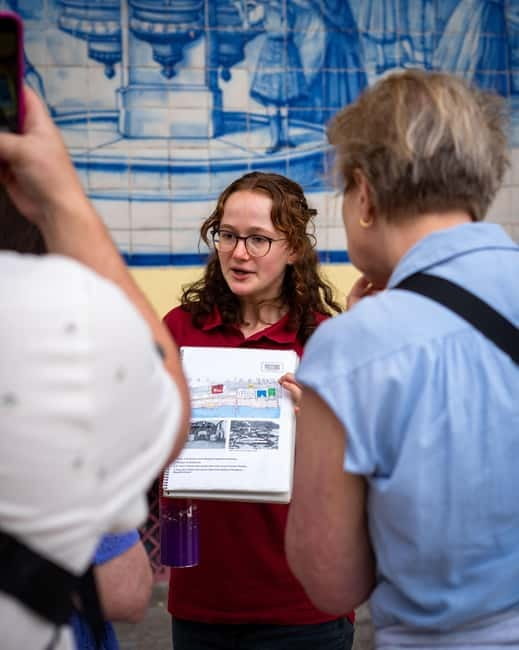
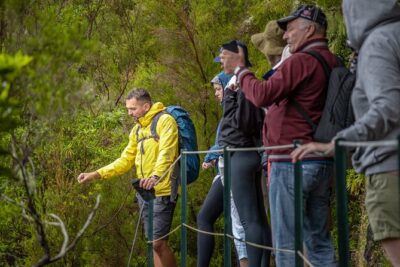
As you move into the old town, the tour shifts into narrow-lane strolling mode. You’ll walk Rua de Santa Maria, visit the Admiral’s Garden area, and see ruins of a once-important fortress.
These stops are where the walking tour earns its keep. The lanes and viewpoints aren’t just scenic—they’re used to explain Madeira’s connections to larger European power and trade. In a short time, you’re learning how this island became part of sea routes linking Europe, Africa, and the Americas.
What I like about this segment is that it doesn’t feel like random wandering. The guide points out what to look for, and you get context that makes the stone and layout feel less abstract. If you enjoy architecture but don’t want a full-day photo expedition, this is a nice match.
Columbus Square and the Age of Discovery stories linked to sugar
At Colombo Square, you hear a lesser-known story connecting Columbus’s time in Madeira to the island’s sugarcane economy. It’s the kind of detail you don’t always catch on the usual highlights route.
This stop pairs history with food logic: sugar wasn’t just a commodity—it was tied to labor systems, shipping, and how the island became strategically important. So when later you taste Madeira wine and sweets, the story stops being theoretical.
The Catholic Church also comes into the conversation during the walk, including its role in the archipelago. That matters because religion influenced education, institutions, and social structure—things you can still sense in Funchal’s landmarks.
If you’ve been to Funchal before, this section can still feel fresh because it connects trade, faith, and specific people to what you’re actually tasting.
Poncha and dentinho at a traditional grocery-tavern
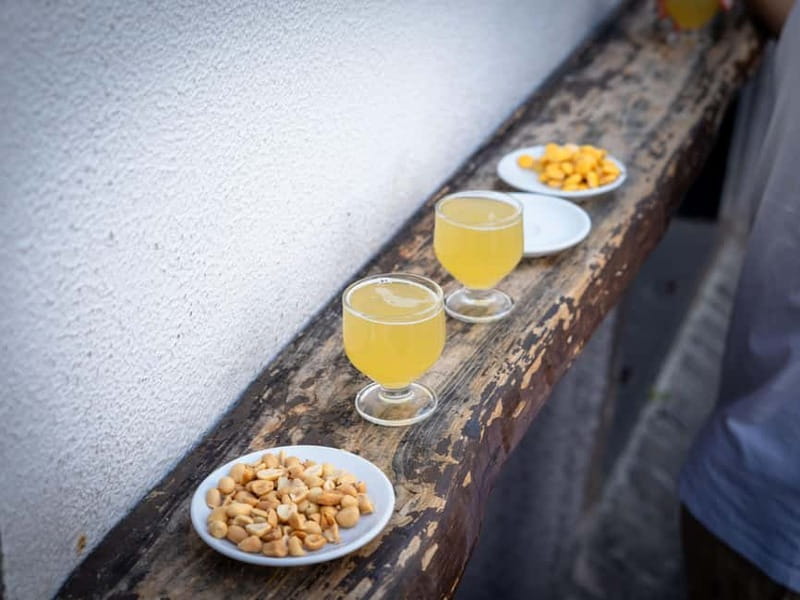
Next you get a breather and a proper Madeiran moment: a traditional grocery-tavern stop with a glass of poncha and a local savoury snack called dentinho.
Poncha is a signature Madeiran spirit, and the tour treats it as more than a drink sample. The guide frames it as part of local conviviality—what people share, how they gather, and how the island likes to keep things social.
Dentinho is the perfect pairing because it gives you something savoury right when your sweetness cravings might be tired. It also helps you avoid the common problem on tasting tours: leaving full of sugar without any grounding.
If you’re the type who doesn’t drink alcohol, this portion may not feel convenient. The tour includes a glass of poncha as part of the experience, so plan accordingly for your pace and your evening plans.
Legislative Assembly and Cathedral of Funchal: faith, power, and place
The tour continues with key landmark stops, including the Regional Legislative Assembly and the Cathedral of Funchal. The cathedral is described as once the seat of the largest Catholic diocese in the world, which helps explain why Funchal’s religious and administrative significance reached far beyond the island itself.
This is also where your “walking + tasting” approach benefits. You’re not just eating and then forcing yourself to pay attention. The guide links the city’s role in broader networks—religious influence, governance, and maritime movement—to the historical themes you’ve already heard.
Expect a guided tour element here, not a quick glance. You’ll come away with a clearer sense of how Madeira’s identity was shaped by faith and by commerce, side-by-side.
Chocolate, coffee, and the University of Madeira wine finish
Later, you’ll visit a boutique chocolate shop where you get four handmade bonbons paired with coffee or cappuccino. This is a nice reset. The chocolates give you a different texture and sweetness profile than the earlier sweets, and the coffee pairing makes it feel less like you’re just collecting samples.
Then you return toward the University of Madeira area for the wine portion. You’ll have a 15-minute Madeira wine tasting, followed by a final moment back at the Jesuits’ College with a curated selection of Madeira wine varieties served with traditional Madeiran cake.
Why the wine-and-cake finale works: it ties together the tour’s themes. You’ve already heard about trade routes, sugar industries, and the island’s connections. Now you’re tasting the result—Madeira wine culture and local baking in one last stop.
Practical tip: pace yourself. With tastings spread across the route, you don’t need to rush the final wine. If you’re sensitive to alcohol, take small sips and focus on comparing flavors rather than finishing everything quickly.
Price and value: what $57 buys you in real time
At $57 per person for about 3 hours, you’re paying for more than walking and storytelling. You’re paying for multiple tastings in set locations, including stops that are not typical on casual self-guided routes: the 19th-century sweet factory, a market tasting segment, a poncha stop, and end-point wine and chocolate tastings.
The group size—limited to just 8—also boosts value. You’re more likely to hear details clearly, ask questions, and move at a pace that doesn’t feel rushed. That matters on tours like this, because you’re switching between walking, listening, and tasting.
Is it a bargain? It’s fairly priced for what’s included, especially if you’d otherwise spend separately on wine tastings and snacks. It’s not a full-meal plan, so if you only eat light during the day, consider budgeting for a proper lunch or dinner around the tour.
Who this tour suits best (and who should skip it)
This tour is a strong fit if you like:
- Food and drink that have a story behind them
- Short guided explanations that connect sights to how people lived and traded
- Small-group experiences where you’re not swallowed by a big crowd
It’s especially good for people who want to understand Funchal beyond postcards. Even if you’ve visited the city center before, the focus on specific places like the sweet factory and Colombo Square can give you new angles.
Skip it if:
- You want a full lunch or dinner experience (this is tastings only)
- You’re traveling with children under 18, since it’s not suitable for kids under that age
- You plan to bring luggage or large bags, since those aren’t allowed
If you’re comfortable walking and you want your Madeira education to come with frequent bites, you’ll likely enjoy this format.
Quick practical tips for a smoother 3-hour walk
Wear comfortable shoes. The route includes old-town lanes and longer walking segments between tastings, so flip-flops are brave but not smart.
Bring small cash or a card only if you plan to buy anything extra outside the tastings. The tour includes multiple food and drink samples, but it doesn’t replace all your meals.
Finally, arrive a bit early at the Jesuits’ College meeting point and keep your bag situation simple. The tour doesn’t want luggage or large bags, and you’ll avoid stress if you travel light.
Should You Book This Funchal Walking Tour?
Book it if you want a compact, guided way to connect Madeira’s key themes—Church influence, trade, sugar, and wine—to real tastes you can remember. The $57 price makes sense because you’re not just paying for narration; you’re getting structured access to tastings at multiple meaningful stops, including the working sweet factory and the wine finale.
Don’t book it if you’re strictly hunting for big-ticket sights only, or if you need a meal you can fully rely on. This tour shines when you’re happy with a series of snacks, a glass of poncha, and careful pacing through the old streets of Funchal.
FAQ
Where does the tour meet?
It meets at the Jesuits’ College of Funchal, University of Madeira Rectory, on Rua dos Ferreiros in the city center, next to D’Oliveiras Madeira Wine. The meeting point is at the University entrance on the street beside the Jesuits’ Church, by the glass doors and University signage.
How long is the tour?
The tour lasts 3 hours.
Is the tour in English?
Yes, the tour is conducted in English.
How big is the group?
The tour is a small group limited to 8 participants.
What kinds of food and drinks are included?
You’ll have tastings that include local sweets and biscuits (including bolo de mel), tropical fruit at the Farmers’ Market, a glass of poncha with a savory snack called dentinho, four handmade bonbons with coffee or cappuccino, and a Madeira wine tasting with traditional cake.
Is this tour a full meal?
No. It’s a cultural tasting experience with multiple samples, but it’s not intended to replace a full lunch.
Is the tour wheelchair accessible?
Yes, the tour is wheelchair accessible.
Are children allowed?
No. The tour is not suitable for children under 18.
Are large bags or luggage allowed?
No. Luggage or large bags are not allowed.
What’s the cancellation policy?
Free cancellation is available up to 24 hours in advance for a full refund.
Can I reserve now and pay later?
Yes. You can reserve now and pay later to keep your plans flexible.
Madeira on Foot: More Walks
- Old Funchal Walking Tour
★ 4.5 · 511 reviews - Skywalk 4×4 Experience and Rabacal 25 Fountains Levada Walk
★ 5.0 · 318 reviews - Madeira East Island Tour with Levada Walk and Lunch
★ 4.5 · 174 reviews - Achadas Teixeira- Pico Ruivo -& Pico pedras/Queimadas forest walk
★ 5.0 · 100 reviews - Fanal / Assobiadores – Levada Walk
★ 4.6 · 93 reviews
More Tour Reviews in Funchal
- Funchal: Pico do Arieiro Sunrise Hiking Transfer
★ 4.8 · 4,021 reviews - Porto Moniz, Seixal, Fanal Forest, Cliff Skywalk in Open Roof 4X4
★ 5.0 · 3,631 reviews - Madeira Funchal:East Tour Pico Arieiro & Santana&Laurissilva
★ 4.9 · 1,994 reviews - Madeira Dolphin and Whale Watching on a Ecological Catamaran
★ 4.5 · 1,957 reviews - Funchal: Pico do Arieiro & Pico Ruivo Hiking Transfer
★ 4.9 · 1,845 reviews
Funchal, One Plate at a Time
- Signature Wine Tastings, Skywalk, Nature 4×4 Open Roof Expedition
★ 5.0 · 189 reviews - Madeira: Wine & Tapas, Cabo Girão Skywalk 4×4 Jeep Adventure
★ 4.5 · 132 reviews - Between Sweet Traditions: pastel de nata workshop in Madeira
★ 4.7 · 34 reviews - Madeiran Traditional Dinner
★ 5.0 · 23 reviews - Guided 4×4 Adventure and Skywalk with Wine and Tapas in Madeira
★ 4.5 · 15 reviews
Just In: New Madeira Reviews

Funchal Food & Wine Tours, compared.
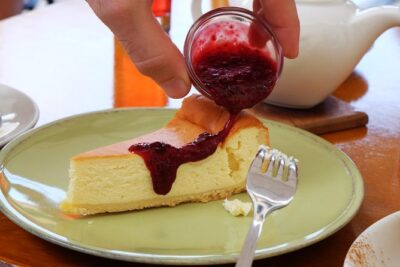 ★ 5.0Taste Funchal: food, wine & cultural tourFrom $112906 reviews
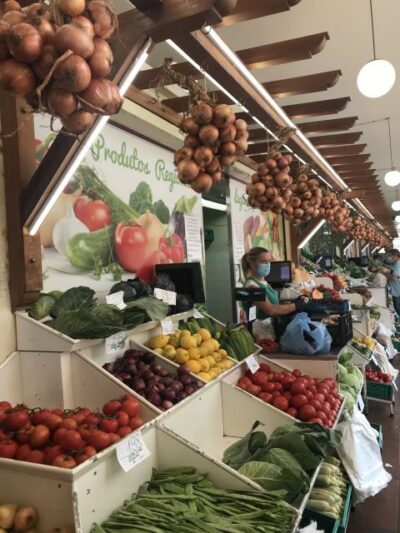 ★ 4.8Taste Funchal: food, wine and cultural tourFrom $109680 reviews
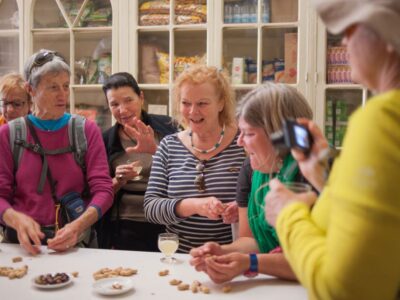 ★ 4.8Food and Wine Walking Tour in FunchalFrom $111469 reviews
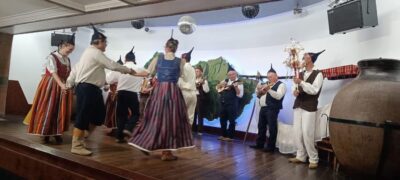 ★ 4.4Folk Dancing Show and Traditional Local DinnerFrom $53227 reviews
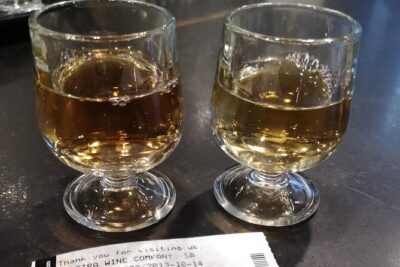 ★ 5.0Eating Madeira! Wine & Food Tour in FunchalFrom $114214 reviews
 ★ 5.0Signature Wine Tastings, Skywalk, Nature 4×4 Open Roof ExpeditionFrom $107189 reviews
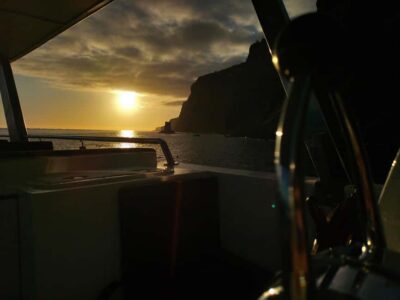 ★ 4.8Sunset Dinner CruiseFrom $76165 reviews
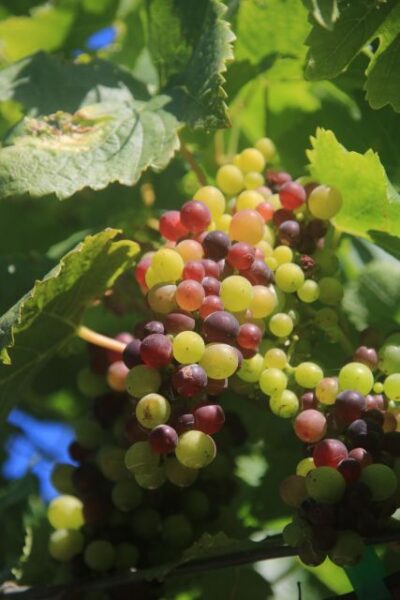 ★ 4.5Wine & Tapas, Cabo Girão Skywalk 4×4 Jeep AdventureFrom $59132 reviews
Browse the lists this tour appears in